Political arrests deepen Iran’s post-protest crisis



شارك على
 مسنجر
مسنجر
 واتساب
 ثريدز
ثريدز
 بريد إلكتروني
 الطباعة
شارك على


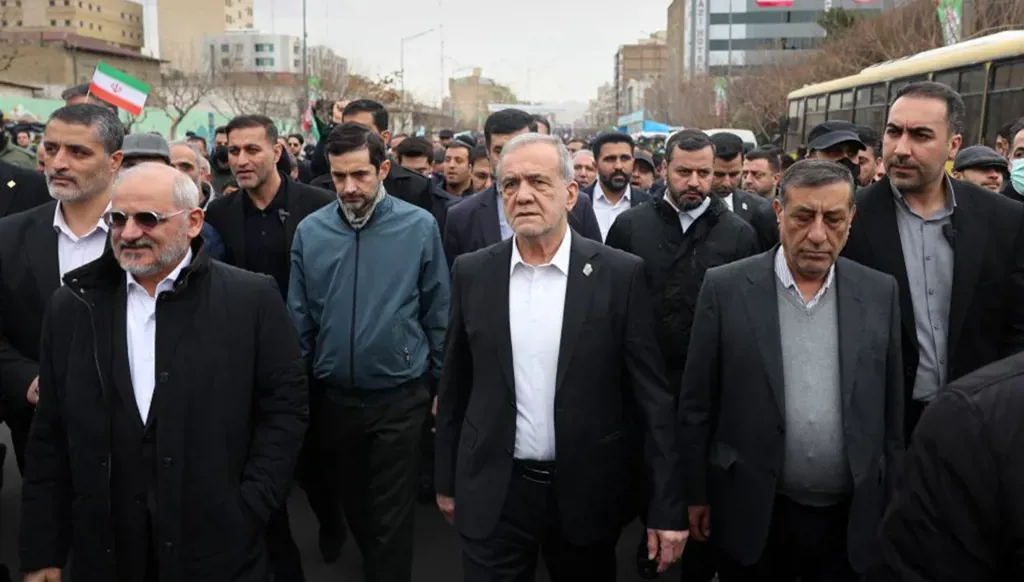


Iranian society has not yet recovered from the violent crackdown on the intense protests on January 8 and 9 in more than 140 cities.
While Iranian markets were crowded with shoppers in the final weeks of the year in previous years, this year they appear empty for two reasons: first, because of the extremely high prices of goods, and second, because of the grief and shock over the killing of thousands of young Iranians and teenagers last month.
On the other hand, the specter of war looms over Iran. Opponents of the Islamic Republic are calling on Trump to fulfill his promise to support the protesters, saying that the United States alone can stand against the power of the Islamic Republic. Meanwhile, others are worried about the economic and social consequences of war, and supporters and opponents of war continue an ongoing debate on social media.
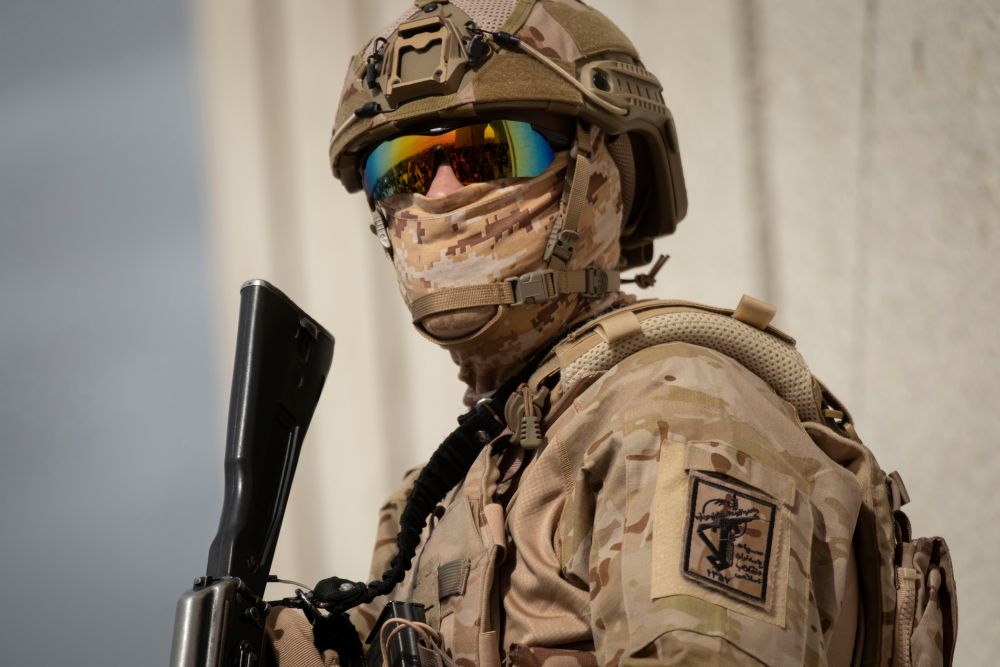
Under such circumstances, the Ministry of Intelligence, the intelligence organization of the Islamic Revolutionary Guard Corps, and the judiciary have in recent days launched joint operations to arrest several reformist political figures. The arrests took on new dimensions after the Iranian Reform Front issued a statement and remarks were published by Ali Shakouri Rad, Secretary General of the Islamic Iran Nation Unity Party and a former member of the Iranian parliament.
The Iranian Reform Front, a coalition of Iranian reformist parties, issued a statement that reportedly was not officially published due to pressure from security institutions and opposition from some reformists close to the government. The statement strongly criticized the suppression of protesters, expressed concern about escalating violence, called for fundamental changes in the government’s approach, structure, and conduct toward citizens, and threatened to suspend its activities if the people’s demands were not heard. This unofficial statement faced strong opposition and reactions from conservative political groups.
However, what ignited a new wave of political tensions in Iran were the remarks by Ali Shakouri Rad, who claimed that the recent protests in Iran had been planned by intelligence and security institutions of the Islamic Republic to reduce social pressure resulting from widespread public discontent. He said that a miscalculation by these institutions regarding the scale of the protests led to violence and bloodshed. He also alleged that security institutions deliberately provoked acts of violence to create a pretext for severe repression. To achieve this goal, he claimed, security forces killed some government personnel so they could label the protesters as terrorists.
Reactions to the statements: Official media vs. social media
These statements spread widely across online platforms and social media. However, like the Iranian Reform Front’s statement, they were not fully published in Iran’s official media out of fear of confronting security institutions. Shokouri Rad’s remarks initially sparked a strong wave of criticism in media outlets opposed to the reformists.
The official narrative of the Islamic Republic is that the recent protests moved beyond civil demonstrations due to the presence of armed terrorists affiliated with the United States and Israel, turning into an urban armed conflict, and that those killed died at the hands of armed terrorists, not the military and security forces of the Islamic Republic. In contrast, opponents of the Islamic Republic, after internet restrictions were lifted and videos and reports were circulated, claim that the Islamic Republic’s security forces shot and killed protesters.
As this dispute of narratives continues, Shokouri Rad’s statements angered the authorities, who quickly arrested him along with several prominent reformist figures, including Azar Mansouri, Secretary General of the Islamic Iran Nation Unity Party and head of the Iranian Reform Front; Mohsen Aminzadeh, former Deputy Foreign Minister; Ebrahim Asgharzadeh, former member of the Tehran City Council; Javad Emam, spokesperson for the Iranian Reform Front; and Hossein Karroubi, a political activist and son of Mehdi Karroubi, one of the leaders of the Green Movement.
Reports on Friday evening indicated that Mansouri, Ebrahim Asgharzadeh, and Javad Emam were later released.
Earlier, several political activists had also been arrested, including Mehdi Mahmoudian, a human rights and political activist; Abdollah Momeni, a political and student activist; and Ghorban Behzadian Nejad, a close associate of Mir Hossein Mousavi, leader of the Green Movement. They had signed a statement calling for a referendum in Iran.
Judiciary’s position: US and Israeli military threats justify arrests
Iranian judicial officials say that reformists, in parallel with US and Israeli military threats, are trying to disrupt the country’s political and social atmosphere by spreading false narratives about the recent protests.
Gholam Hossein Mohseni Ejei, head of Iran’s judiciary and reportedly one of the potential candidates to succeed Ayatollah Khamenei, said in a speech: We are obligated and mandated to deal firmly with those who play on the enemy’s field, and we will use the sword of justice against them. According to him, these are individuals who spread despair and frustration in society and act against Ayatollah Khamenei. It has also been reported that in the initial draft of the Iranian Reform Front’s statement, some hardline reformists called for Ayatollah Khamenei to step down from the leadership position.
Diverse reactions: from condemnation to welcome
The recent arrests did not go without reaction. Beyond what was written on social media, the Tehran based newspapers Shargh and Sazandegi devoted their Tuesday front page headlines to the issue.
Mahmoud Sadeghi, a former member of the Iranian parliament, told Shargh newspaper: Reformists’ well intentioned positions should not be treated as security matters. He stressed that reformists are not opposed to the Islamic Republic.
Ahmad Zeidabadi, a reformist journalist and recipient of the 2010 Golden Pen of Freedom Award, criticized the arrests, writing that such decisions increase psychological tension in society and deepen the divide among political forces.
In contrast, the newspaper Kayhan welcomed the recent arrests, describing the detainees as hypocritical elements disguised as reformists and calling for more arrests.
The hardline newspaper Vatan Emrooz, affiliated with Mehrdad Bazrpash, described the detainees as traitors to the nation and considered their arrest a timely security measure.
Some analysts say that the Islamic Republic, deeply concerned about a possible new attack by the United States and Israel, seeks through suppressing protesters and arresting political activists to maintain internal control so that no grounds for political collapse emerge in the event of war. However, opponents of the arrests argue that the recent bloody crackdown has increased public resentment and anger toward the Islamic Republic, and that arresting reformists deepens internal political divisions and ultimately weakens national strength in the face of an external enemy.
العلامات الدالة
الأكثر قراءة