Abu Dhabi’s quiet power: How a middle state became a key mediator in the Ukraine war
Amid stalled European diplomacy and escalating conflict, the UAE has emerged as a neutral yet influential platform, proving that even smaller powers can shape the course of major international crises.



شارك على
 مسنجر
مسنجر
 واتساب
 ثريدز
ثريدز
 بريد إلكتروني
 الطباعة
شارك على


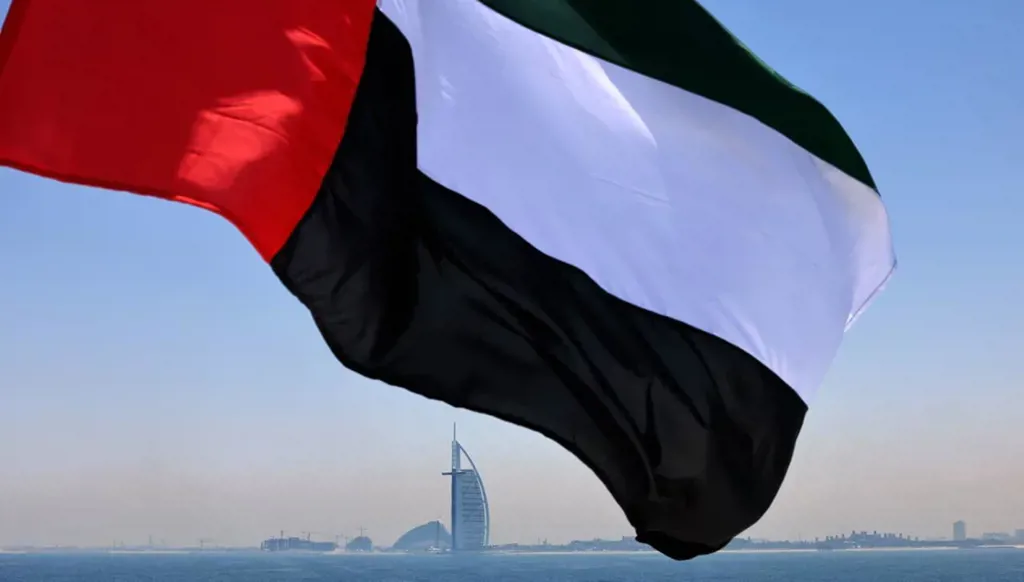


As the Ukrainian war continues to politically and security-wise drain Europe, Abu Dhabi has emerged as an effective diplomatic space that has revived dialogue channels between the conflict parties, reflecting deeper changes in the structure of the international system.
While traditional European platforms and international institutions have failed to produce a sustainable negotiation path, the United Arab Emirates has managed to assert itself as a reliable mediator capable of managing one of the most complex contemporary conflicts.
This Emirati role was not born out of a fleeting moment but rather came as a result of an accumulative approach that relied on quiet diplomacy and building trust step by step. Since late 2022, Abu Dhabi began playing a pivotal role in the prisoner exchange file between Russia and Ukraine, the most sensitive file in a war characterized by almost complete mistrust. With the success of dozens of exchange operations, the humanitarian path shifted into a solid foundation paving the way for transitioning to more complex political and security mediation.
By early 2026, Abu Dhabi became a primary platform for trilateral talks involving the United States, Russia, and Ukraine. The choice of the UAE to host these meetings was not merely cosmetic but reflected an increasing international realization that Abu Dhabi represents a neutral and safe environment for dialogue, far from political polarization and media pressures.
Importantly, these talks were not limited to traditional diplomats but included senior military and intelligence leaders, indicating a shift from general political discourse to discussing technical details of security and cease-fire.
Abu Dhabi's success in this path is due to its ability to maintain balanced relations with various parties. It is a strategic partner of the United States while keeping open channels with Moscow without being viewed as a biased party. This balance provided the UAE with what other capitals lack: credibility and practical ability to gather adversaries around one table.
The most notable achievement of the Abu Dhabi talks is the re-establishment of direct military communication channels between the United States and Russia, after a hiatus since before the war broke out. This development is as important as any political agreement as it reduces the risks of unintended escalation between two nuclear powers and establishes conflict management instead of letting it escalate into broader confrontations.
While fundamental issues, primarily land and sovereignty, remain obstacles to a comprehensive settlement, the real value of the Abu Dhabi path lies in keeping dialogue channels open and preventing a complete collapse of negotiation rules. Amid declining European confidence in traditional American leadership and the rise of a multipolar world, the UAE emerges as a model for the role of medium powers capable of contributing to managing major international crises.
Abu Dhabi is no longer just a neutral place for negotiations but has become an influential diplomatic actor in redefining the concept of international mediation, reflecting broader shifts in the balance of power and role in the global system.
Jassim Mohammed- Senior researcher in International Security & Counter Terrorism
Disclaimer: The opinions expressed by the writers are their own and do not necessarily represent the views of Annahar

العلامات الدالة
الأكثر قراءة


تشهد ألمانيا ارتفاعاً غير مسبوق في إفلاس الشركات بسبب الركود وارتفاع كلفة الطاقة، مع تأثيرات واسعة على الاقتصاد الأوروبي والعلاقات مع العالم العربي.