

Iraq finds a way around strait of Hormuz, restarts oil exports through Turkey
Following a deal with the Kurdistan Regional Government, Iraq begins sending 250,000 barrels per day from Kirkuk to Ceyhan, as tensions in the Gulf continue to block key shipping routes.



 Messenger
 Whatsapp
 Threads
 Email
Email
 Print
Print
 X
X
 Facebook
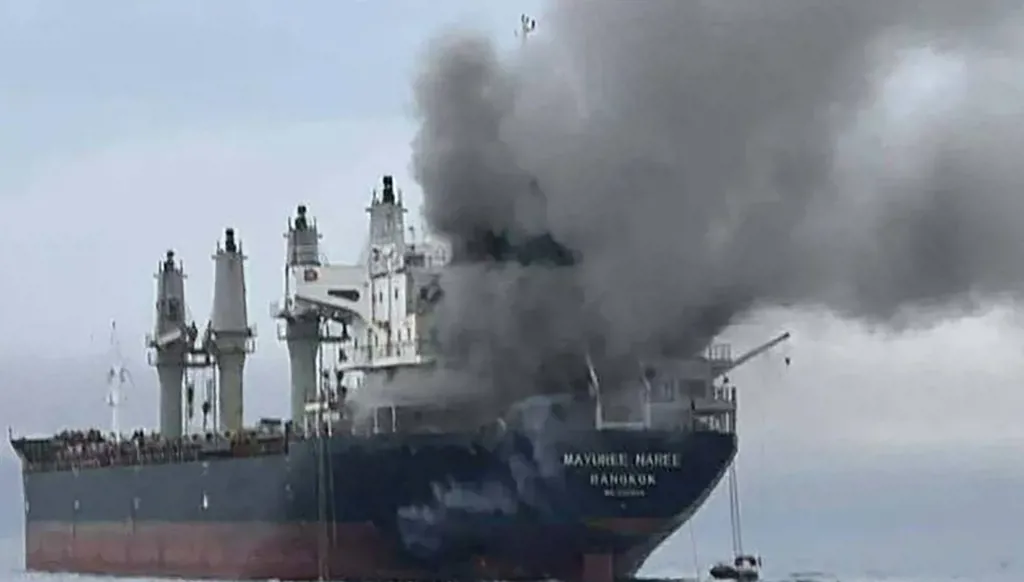


Iraq announced on Wednesday the resumption of part of its oil exports, currently halted due to the closure of the Strait of Hormuz amid the ongoing war in the Middle East. Up to 250,000 barrels per day will be exported through the Turkish port of Ceyhan following an agreement with the authorities of the Kurdistan region.
Iraq, a member of OPEC, used to export an average of 3.5 million barrels per day before the war, which began with a US-Israeli attack on Iran on February 28. Most of this production was exported through ports in the southern Basra province overlooking the Gulf.
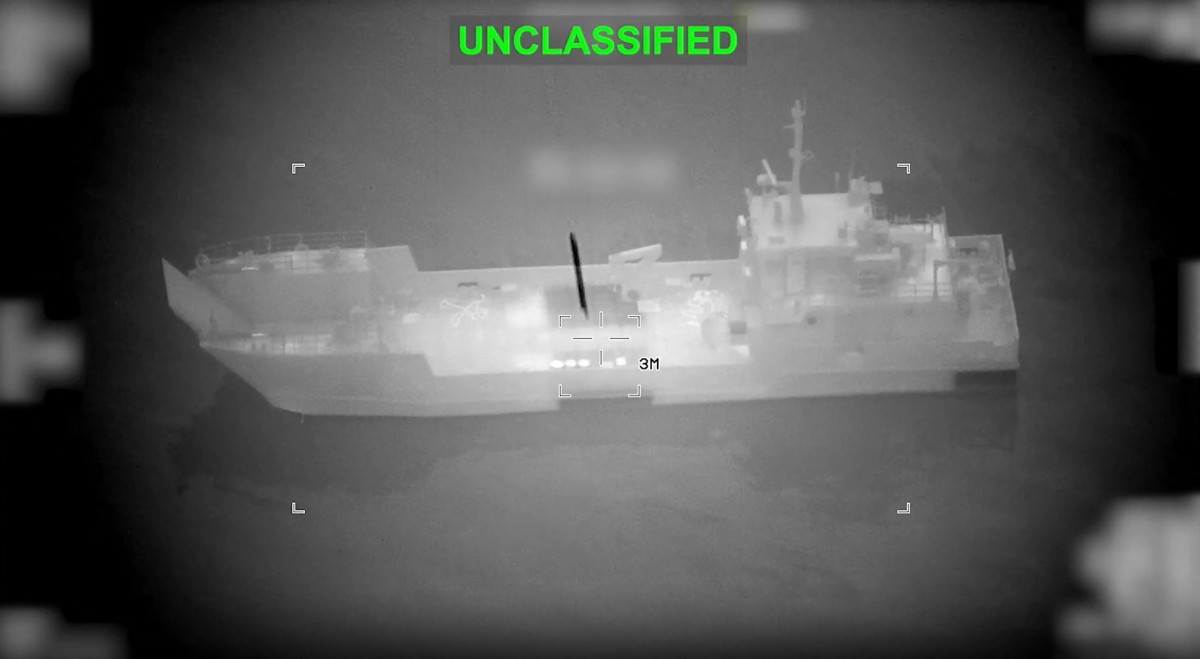
With navigation through the Strait of Hormuz disrupted, Iraq’s exports through it came to a halt, and oil storage tanks began filling rapidly. This forced the authorities to largely stop production and look for alternative export routes.
The state-run North Oil Company, which manages oil operations in northern Iraq, said in a statement that it had resumed crude oil pumping through the Turkish port of Ceyhan after a period of suspension that posed a major challenge to the oil sector.
The company noted that it had started operating the Saralu pumping station, marking the resumption of pumping and exporting Kirkuk oil to the port of Ceyhan, with an initial export capacity of 250,000 barrels per day. This step reflects the coordinated efforts of the relevant authorities to achieve shared national objectives.
The company noted that the resumption of exports came “as a result of the agreement reached between the federal government and the Kurdistan Regional Government.”
The Ministry of Natural Resources in the Kurdistan Region confirmed that at 06:30 local time (03:30 GMT), and in coordination with the federal Ministry of Oil, it began operating the Saralu Oil Field to transport 250,000 barrels per day to the Fishkhabur station. The oil will then be exported via the Kurdistan Region pipeline to the Turkish port of Ceyhan.
The agreement between the Baghdad and Erbil governments came after disputes over Iraq’s oil exports through this route, with the Kurdistan authorities demanding several conditions before agreeing to the exports.
The Strait of Hormuz, through which one-fifth of the world’s oil and liquefied natural gas passes, is a strategic route for energy exports from the Gulf countries.
It is almost completely closed due to strikes and threats by Iran in response to attacks by the United States and Israel.
Iraq’s Oil Minister, Hayyan Abdul Ghani, said on Monday evening that “there is communication with the relevant authorities” in Iran regarding allowing some tankers to pass through the Strait of Hormuz so that exports can resume.