

Oil prices surge amid Middle East tensions and supply risks
Brent crude nears historic highs as geopolitical uncertainty in the Strait of Hormuz and Bab el-Mandeb drives daily gains, with analysts warning of a possible $200 per barrel scenario.



 Messenger
 Whatsapp
 Threads
 Email
Email
 Print
Print
 X
X
 Facebook



Oil prices continued their notable rise at the start of trading, coinciding with Brent crude moving toward its best monthly performance in history, having increased by approximately 59 to 60 percent since the beginning of March, surpassing the gains of 1990, which could represent a historic jump in prices.
In this context, Brent crude exceeded 115 to 116.75 dollars per barrel, while West Texas Intermediate surpassed 100 to 103.13 dollars, with daily increases ranging from 2.98 to 3.7 percent as Asian markets opened on March 30.
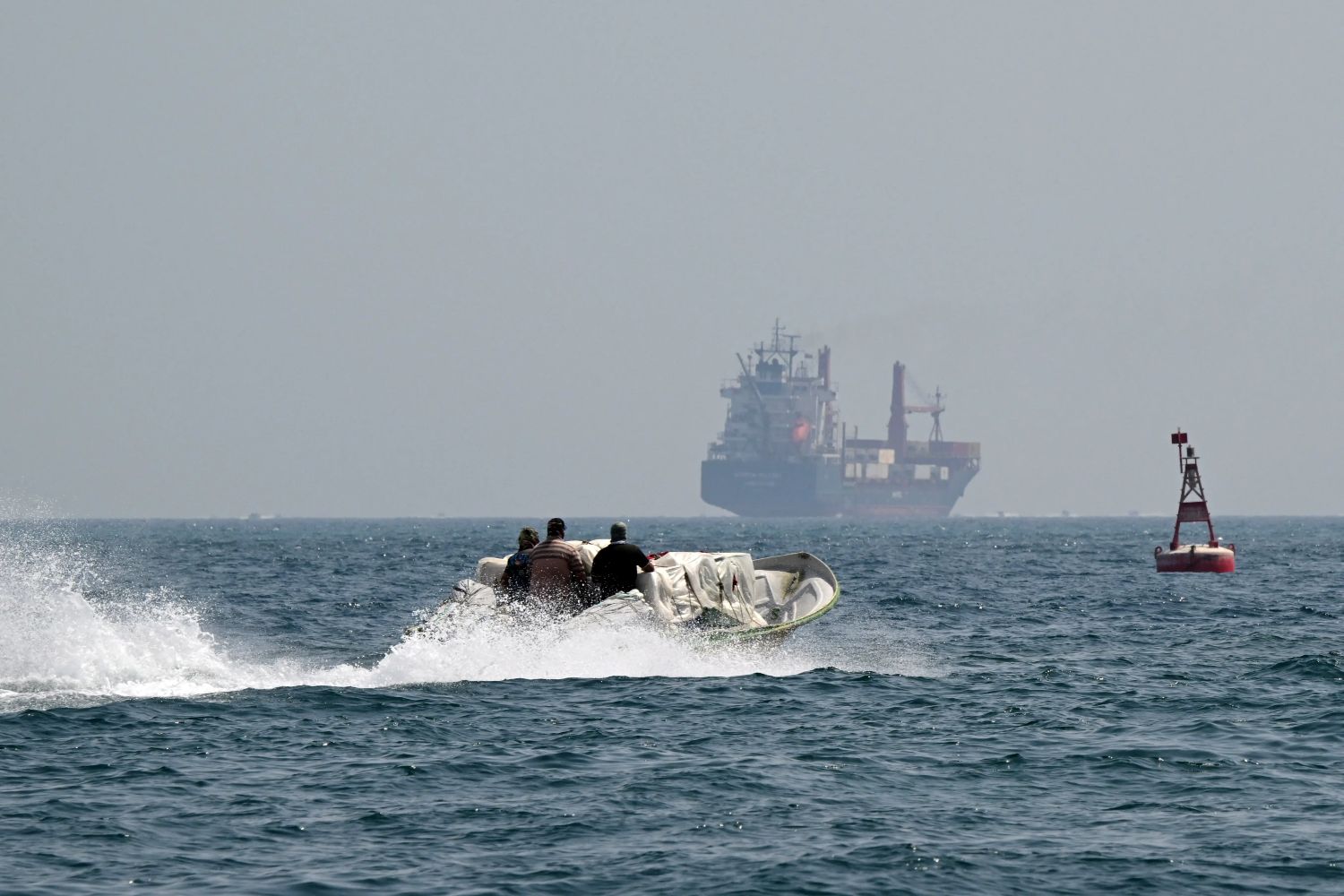
Concerns over continued price increases intensified after the Houthis announced their engagement in the war alongside Iran, hinting at the possibility of closing the Bab el-Mandeb Strait, following Iran’s effective closure of the Strait of Hormuz, which carries about 20 percent of global oil and gas supplies.
At the same time, supplies fell by around 11 million barrels per day, despite ongoing efforts to use alternatives, the most notable being the Saudi East-West Pipeline between Abqaiq and Yanbu on the Red Sea.
As this week began, the war entered its fifth week without any signs of real de-escalation. Despite positive statements by U.S. President Donald Trump about the possibility of reaching a settlement, U.S. threats to control Iranian oil and Kharg Island, which accounts for about 90 percent of Iran’s exports, remain in place.
Due to the escalating conflict, oil prices have become highly sensitive to any political or military statements or movements, amid continued uncertainty.
In this context, Ali Al-Riyami, former Director General of Oil Marketing at the Ministry of Energy and Minerals in Oman, said in a video interview that the ongoing risks in the Strait of Hormuz explain why oil prices have remained above 100 dollars despite partial allowance for tanker passage.
According to a Reuters survey of 13 analysts, several possible scenarios for future prices emerged:
- An expected range between 100 and 190 dollars per barrel, with an average of 134.62 dollars.
- Oil could exceed 150 dollars per barrel if the crisis continues.
- Prices could reach 200 dollars if export facilities are damaged or the Strait of Hormuz remains closed.
- If the war ends but threats remain, the range could be wide, between 50 and 150 dollars per barrel.
Market indicators showed an upward backwardation pattern, with a price difference of 7.58 dollars between near-term and future contracts, reflecting strong concerns over immediate supplies amid high demand and fears of short-term shortages. This indicates that the market is willing to pay a premium to secure immediate oil in anticipation of potential disruptions.
At the same time, Brent crude futures have risen more than 50 percent since the outbreak of the war, briefly surpassing 119 dollars per barrel last week, directly reflecting rising geopolitical risks.
In the same context, the Washington Post reported that U.S. officials said the Department of Defense is preparing for the possibility of conducting weeks-long ground operations inside Iran, while senior administration officials, including Secretary of State Marco Rubio, downplayed the significance of this option.
The Wall Street Journal also reported that Trump is considering a scenario involving a military operation to extract uranium from Iran, a plan that was proposed earlier this month.