Brent crude hits record monthly gains amid Middle East tensions
Brent crude climbs 59% as U.S.-Iran tensions widen, Houthis attack Israel, and key shipping routes face disruption, reshaping global oil markets.



شارك على
 مسنجر
مسنجر
 واتساب
 ثريدز
ثريدز
 بريد إلكتروني
 الطباعة
شارك على




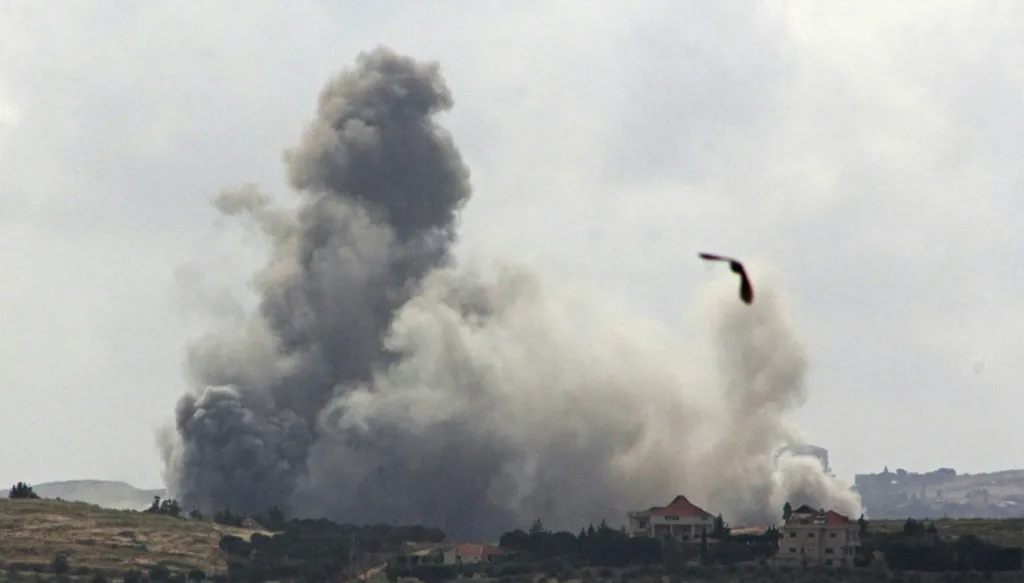
Oil prices continued their gains on Monday, with Brent crude heading toward a record monthly increase, after the Houthis in Yemen launched their first attacks on Israel over the weekend, widening the scope of the American‑Israeli war with Iran in the Middle East.
By 03:42 GMT, Brent crude futures had risen $2.43, or 2.16%, to $115 a barrel, following a 4.2% gain on Friday.
The price of West Texas Intermediate (WTI) crude was $101.50 a barrel, up $1.86, or 1.87%, following a 5.5% gain in the previous session, according to Reuters.
Vandana Hari, founder of the oil market analysis firm Vanda Insights, stated, "The market has nearly dismissed the possibility of resolving the war through negotiations, despite Trump's claims of direct and indirect talks with Iran and his readiness for a sharp escalation in military actions. This constitutes a positive signal for crude oil, though significant doubts remain about the timing and nature of the outcome."

U.S. President Donald Trump announced that the United States and Iran have been meeting “directly and indirectly” and described Iran’s new leaders as “very reasonable,” as more U.S. forces arrive in the region, while the Israeli military said on Monday it is targeting Iranian government infrastructure across Tehran.
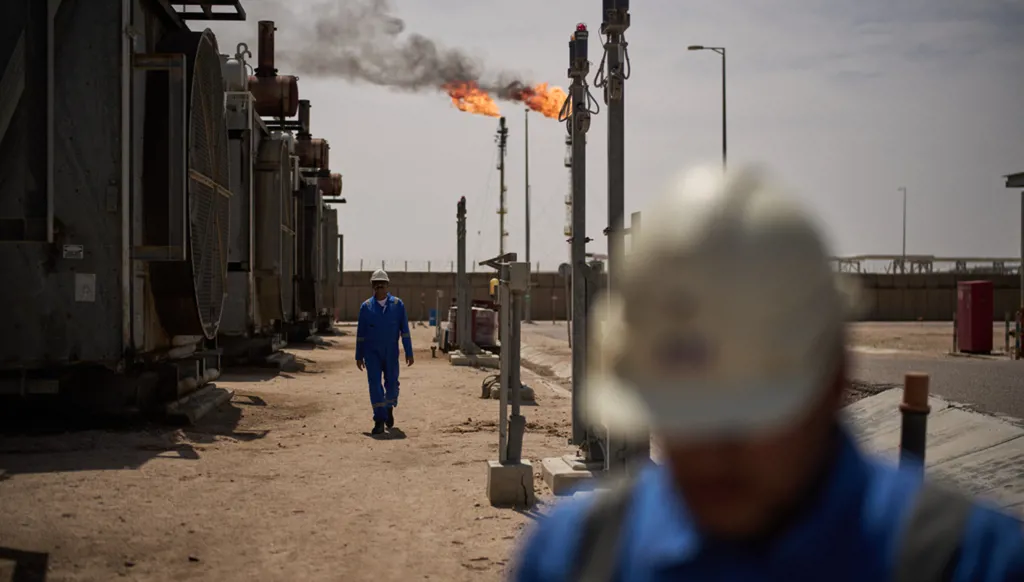
The price of Brent crude rose about 59% this month, marking the largest monthly increase on record and surpassing the gains seen during the 1990 Gulf War, after the conflict with Iran effectively shut the Strait of Hormuz — a critical passage for roughly one‑fifth of the world’s oil and gas supplies.
The conflict, which began on February 28 with U.S. and Israeli strikes on Iran, has since spread across the Middle East, as Iran‑aligned Houthi forces in Yemen launched their first attacks on Israel this weekend — raising concerns about the security of shipping routes around the Arabian Peninsula and the Red Sea.
Analysts at JP Morgan, led by Natasha Kaneva, noted in a memo that “the conflict is no longer confined to the Gulf and the Strait of Hormuz but has now extended to the Red Sea and Bab el‑Mandeb, one of the world’s most vital passages for the flow of crude oil and refined products.”
Saudi crude oil exports, redirected from the Strait of Hormuz to the Red Sea port of Yanbu, reached 4.658 million barrels per day last week, according to data from the analytics firm Kpler.

العلامات الدالة
الأكثر قراءة