Ankara’s ascent: Turkey’s strategic challenge to Israel in the Middle East
How Ankara’s rise as a “strong independent state” challenges Israeli ambitions, redraws regional power, and defines a new era of strategic pragmatism.



شارك على
 مسنجر
مسنجر
 واتساب
 ثريدز
ثريدز
 بريد إلكتروني
 الطباعة
شارك على


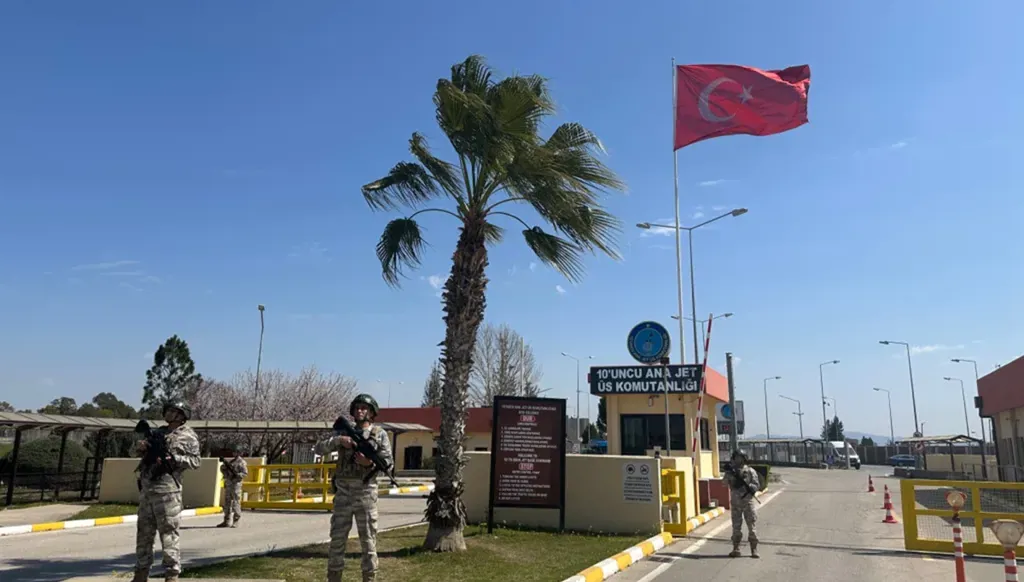


The Middle East is undergoing major geopolitical transformations, reshaping the regional balance of power. Since October 7th, Israel has initiated a new pattern of expansion under the pretext of "searching for security," aiming to reshape regional dynamics in line with its expansionist ambitions. This presents a fundamental dilemma: with Israel’s current momentum and its open stance toward Iran, is a confrontation with Turkey historically inevitable, or merely a postponed clash dictated by pragmatic calculations?
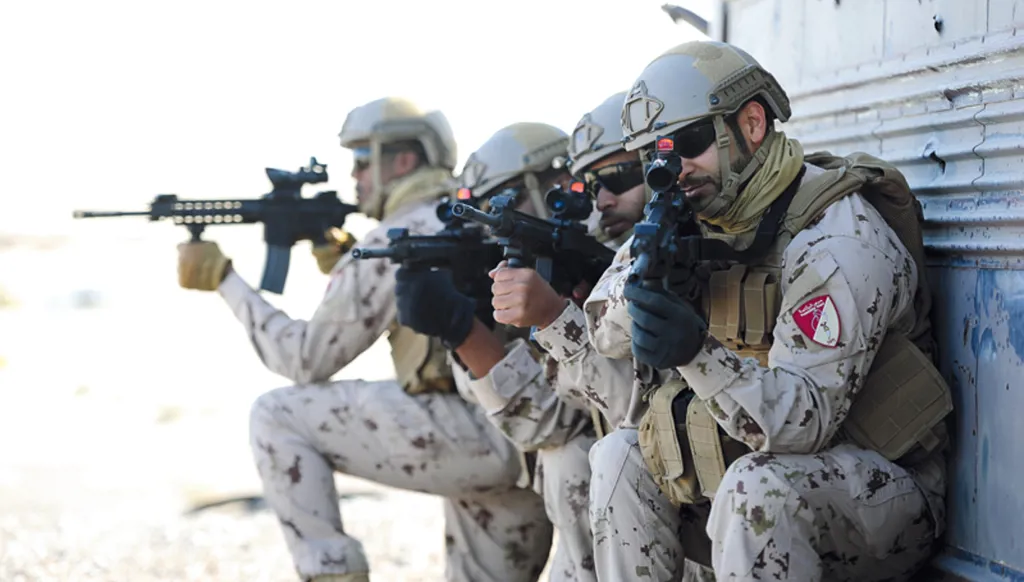
Turkey's foreign policy is no longer bound by the idealism of "olive branches," having shifted in 2026 toward a stage of "hard pragmatism." Ankara has moved from a "zero problems" approach to "managing contradictions," leveraging geography as a strategic cross-border pressure tool. It recognizes that power-building requires "smart power"—a combination of diplomatic flexibility and military presence on the ground in Syria, Libya, and Somalia. This transformation is reinforced by solid figures: according to the Global Firepower ranking for 2026, the Turkish military ranks ninth globally, equipped with unique defensive independence and military industries that now export "security" to allies. Turkey has thus become an essential "geopolitical rival," one whose signature is indispensable in any regional dossier.
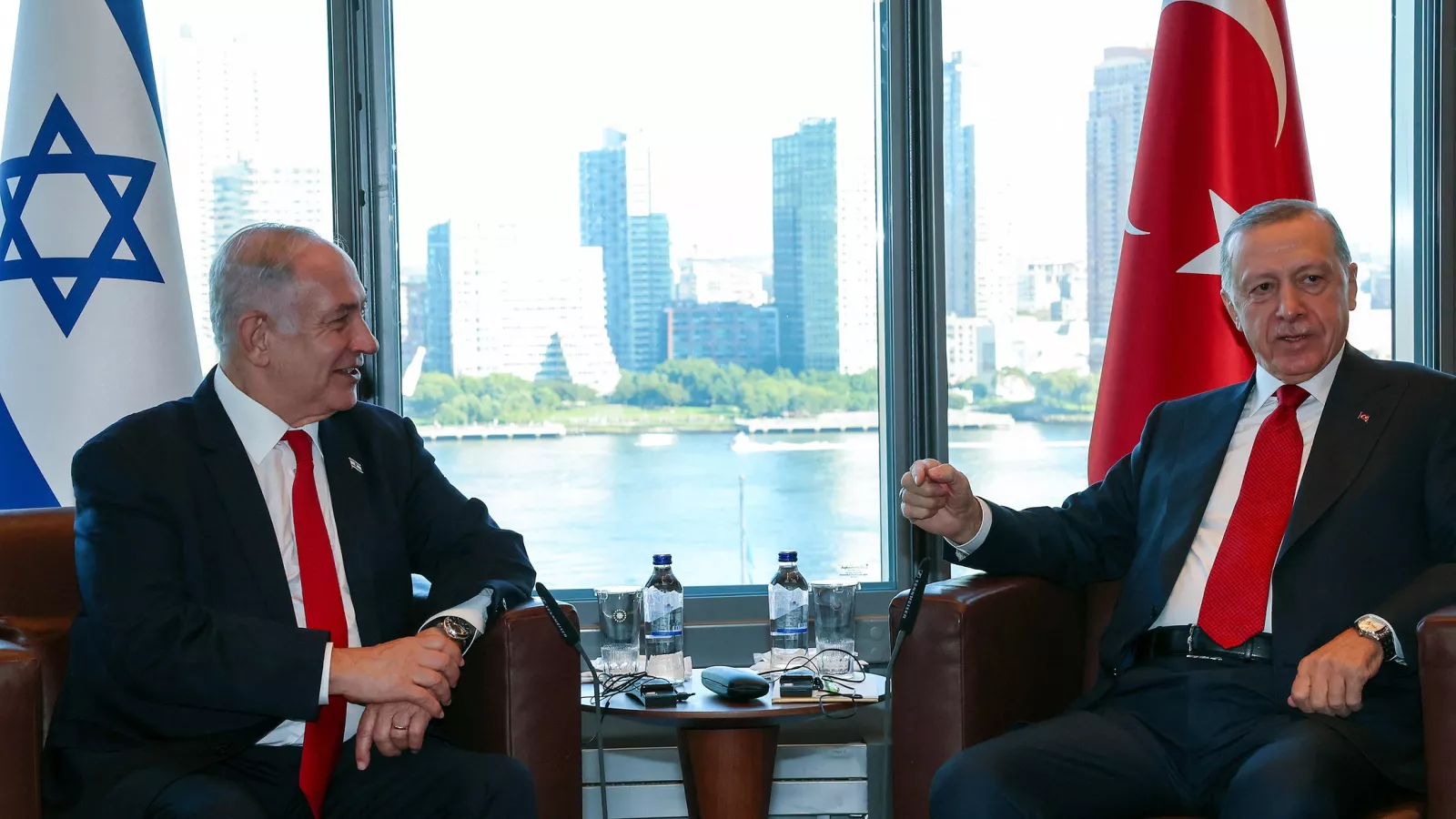
This rise is precisely what leads Israel to view Turkey as a "strategic threat." Ankara is an authentic power embedded in the region, pursuing a project that does not sharply conflict with the identities of its peoples, granting it "soft power" and regional legitimacy that Israel lacks—and fears could evolve into sustainable alliances capable of politically and diplomatically encircling it. Heightening this concern is the strategic independence Turkey has achieved through a defensive industrial boom, breaking technological monopolies and generating revenues of around 31 billion dollars, with qualitative exports including drones capable of neutralizing supersonic targets—directly challenging the "qualitative air superiority" Israel has long monopolized.
Moreover, Turkey's NATO membership provides it with geopolitical immunity and legal cover, making it difficult to isolate or target, and enhancing its ability to maneuver flexibly between East and West in ways that confound Israeli calculations. These concerns have intensified with recent developments in Syria, which have awakened the region’s most dangerous geopolitical fault lines dormant for six decades. Israel views the emergence of a new Syrian reality—seen as a strategic ally of Ankara—with deep suspicion, meaning that Turkey now effectively has "borders" that directly influence the Israeli security equation.
This rise of the "strong independent state" model represents a nightmare for Netanyahu, who repeatedly invokes the "bogeyman of neo-Ottomanism" to warn against a Turkish project aimed at reshaping regional influence. He fears that Ankara’s success in leading a cohesive regional front could become a structural barrier to Israel’s ambitions of dominating the new Middle East.
Israel translates these structural concerns into a "hard containment" strategy spanning cold conflict zones across three volatile geopolitical axes. The first begins in Syria, where a struggle of "division versus unity" intensifies. Israel seeks to dismantle Syrian geography and establish sectarian and ethnic states—particularly supporting a Kurdish entity in the north—but this positions Turkey against an existential threat, as it could revive separatist tendencies among the Kurdish population within its borders. This drives Ankara to insist on stabilizing a "united Syria" as a final bulwark protecting its national security.
The second axis extends to the Mediterranean, where Israel aims to encircle Turkey’s "Blue Homeland" doctrine. It invests in alliances with Greece and Southern Cyprus to isolate Ankara maritime-wise and prevent it from exploiting gas resources, reviving the EastMed pipeline as a sovereign contest in which Turkey refuses any demarcation that would limit its maritime influence.
The third axis reaches the Horn of Africa, where Israeli recognition of "Somaliland" has emerged as a direct response to Turkey’s multi-billion-dollar investments in Mogadishu, reflecting Israel’s attempt to counter Turkish presence along the strategically vital Red Sea lanes.
Despite this "existential collision," direct military confrontation remains unlikely, constrained by deterrence dynamics and hard pragmatism. Israel, accustomed to exploiting moments of vulnerability for expansion, now faces Turkey as a "solid block" following the doctrine of "preparing for war to prevent it." This explains the surge in media mobilization, the expansion of shelter networks, and the acceleration of defense industries—decisive deterrence measures signaling that Turkey is no easy target, and that any military adventure against it would carry costs far heavier than in other arenas.
Ankara's immunity is further reinforced by its success in repairing relations with the "power triangle" of Egypt and Saudi Arabia, creating a regional "stability block" that counters Israeli fragmentation projects. However, it cannot be assumed that a "Sunni axis" of fully aligned interests will emerge; Riyadh and Cairo continue to harbor concerns about Turkish ambitions, while Washington remains keen to prevent Israel from being completely encircled regionally. Yet this balance is underpinned by the realism of the Trump administration, which views Turkey’s presence as the sole strategic guarantor against the Arab neighborhood descending into "failed states" or cross-border terrorist hotbeds.
In conclusion, we are in an era of "competitive cooperation," where Turkish power sets firm limits that the Israeli project cannot surpass. Israel may accept Turkey’s role “under conditions” that guarantee field stability, while Ankara continues to build deterrence to safeguard the region’s geography. This represents a "postponed collision," in which all parties prefer "containment" over "explosion," with Turkey remaining the pivotal force demonstrating that the Middle East is not an open field for any single actor, but a space shaped by those who master the art of power and pragmatism together.
Disclaimer: The opinions expressed by the writers are their own and do not necessarily represent the views of Annahar.

العلامات الدالة
الأكثر قراءة