

Nabatieh struggles to recover as fragile truce fails to restore normal life




 Messenger
 Whatsapp
 Threads
 Email
Email
 Print
Print
 X
X
 Facebook
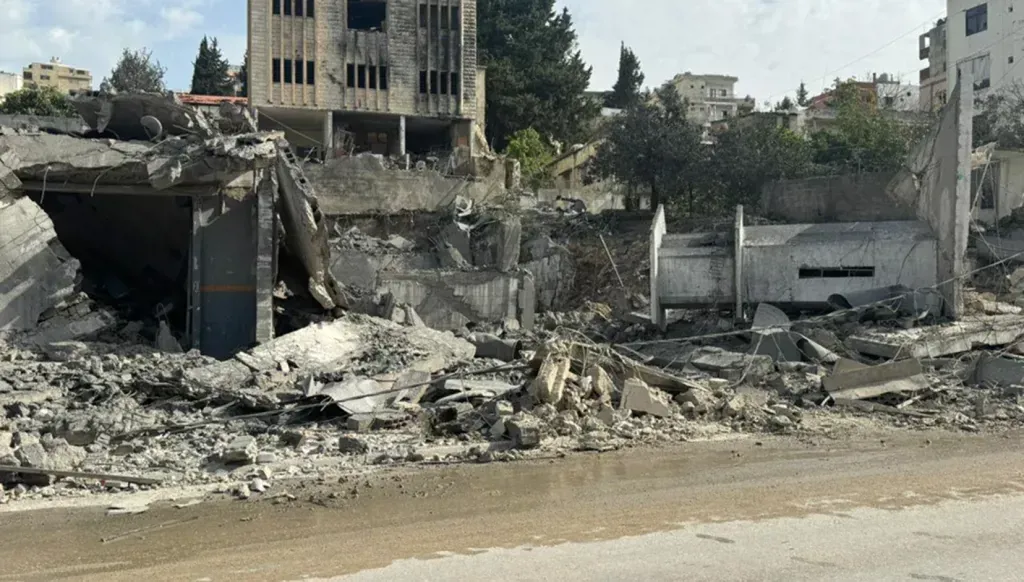


In Nabatieh, located in the heart of Jabal Amel, silence on the third day does not resemble a truce. The streets, which are supposed to rest after the announcement of a temporary ceasefire, remain covered with the rubble of two wars, an older one that was never fully cleared and a newer one that has made the already harsh scene even more severe. It is a reality that no resident of Nabatieh, as locals in the south refer to themselves, has grown accustomed to despite more than sixteen months of living through it.
Seventy-year-old Khalil Reda stands in the courtyard of Imam Hussein, facing the city’s historic Husseiniya from which the Ashura uprising of 1983 emerged. That event remains one of the most significant popular movements in the south against the Israeli occupation at the time, when an Israeli patrol attempted to enter the city square and was met by residents with stones and chants. He told Annahar that despite the brutality of the war, he chose not to leave the city, just as he had done in every previous conflict he witnessed, without fear, unlike many others who fled. Since the 1970s, Nabatieh has endured waves of hardship that he has lived through, yet he says what saddens him most is the condition of his city.
Annahar toured the streets of Nabatieh on the third day of the truce and found that despite limited movement, there has been no large-scale return of residents and no real sense of stability while the situation remains unclear. The impact of the intense airstrikes during the forty-five-day escalation was evident, as the city bore a significant share of the bombardment. It is no exaggeration to say that Nabatieh is now among the hardest hit areas north of the Litani River.
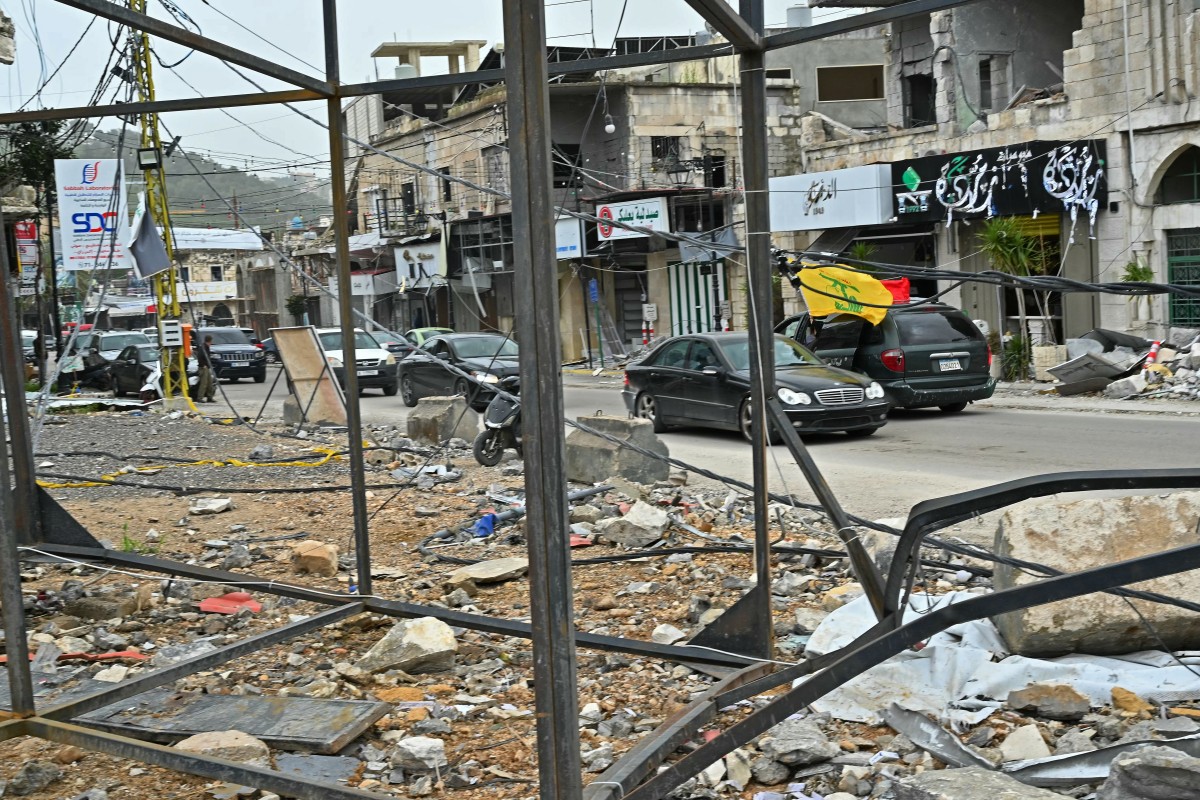
Its tragedy is not limited to the destruction of homes but extends to its market as well. Dozens of shops stand empty of goods, damaged or completely destroyed. The head of the Union of Shaqif Municipalities, Khaled Badr El Din, told Annahar that they tried to preserve some sense of life during the war, and that in the first forty-eight hours of the truce there was a surge of people returning.
However, regional developments pushed many back to where they had been displaced. He added that some shop owners decided to temporarily vacate their stores, while others are trying to hold on and remain.
Among the few shops that have reopened, one falafel restaurant in the city drew noticeable demand. Its owner, Ashraf Arnawout, said that less than twenty-four hours after returning, they reopened to serve residents of the city and nearby villages. He explained that people neither want to cook nor are always able to, due to the lack of gas and basic supplies, so they are doing their best to meet people’s needs. He expressed confidence that the market will eventually return to its former bustle and vibrancy, no matter what happens.
Nabatieh, like other towns and villages in the south, is going through a period of uncertainty. Still, fragments of daily life persist, reflecting the determination of its residents to hold on, even if only at a minimal and fragile level.