

Thousands of ships remain stranded in the Strait of Hormuz amid ongoing maritime disruption



 Messenger
 Whatsapp
 Threads
 Email
Email
 Print
Print
 X
X
 Facebook
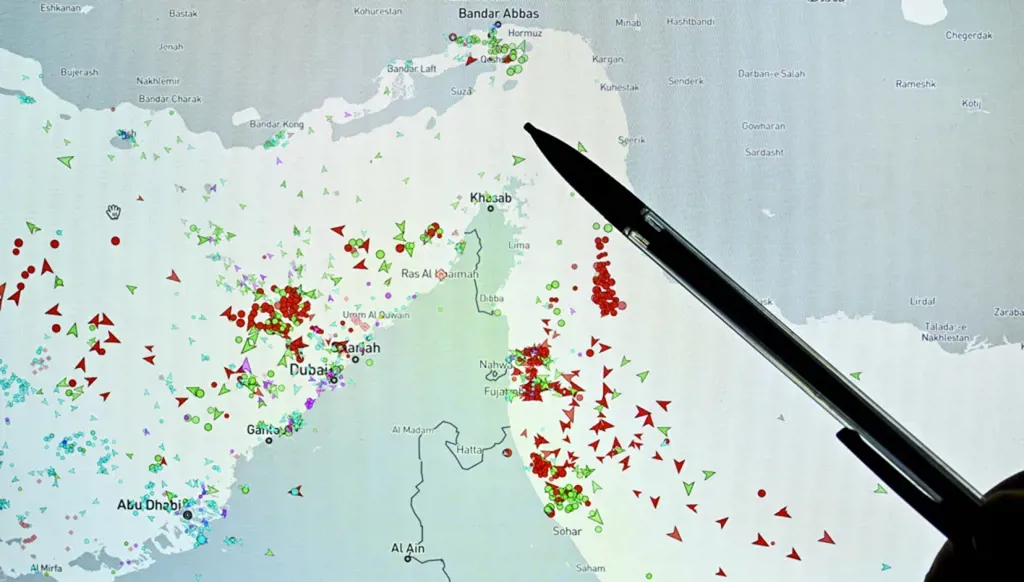


Iran has fully opened the Strait of Hormuz to commercial vessels for the remaining period of the ceasefire, after more than five weeks during which ship traffic in the strait had stopped due to the outbreak of war between the United States and Iran.
So how many ships are currently stranded in the strait, do they have enough fuel to resume movement, and what are these maritime tankers carrying?
Iranian Foreign Minister Abbas Araghchi wrote in a post on the platform X on Friday morning: In line with the ceasefire in Lebanon, it is announced that the Strait of Hormuz is fully opened to all commercial ships for the remaining duration of the ceasefire, following the coordinated route that was previously announced by the Ports and Maritime Organization of the Islamic Republic of Iran.
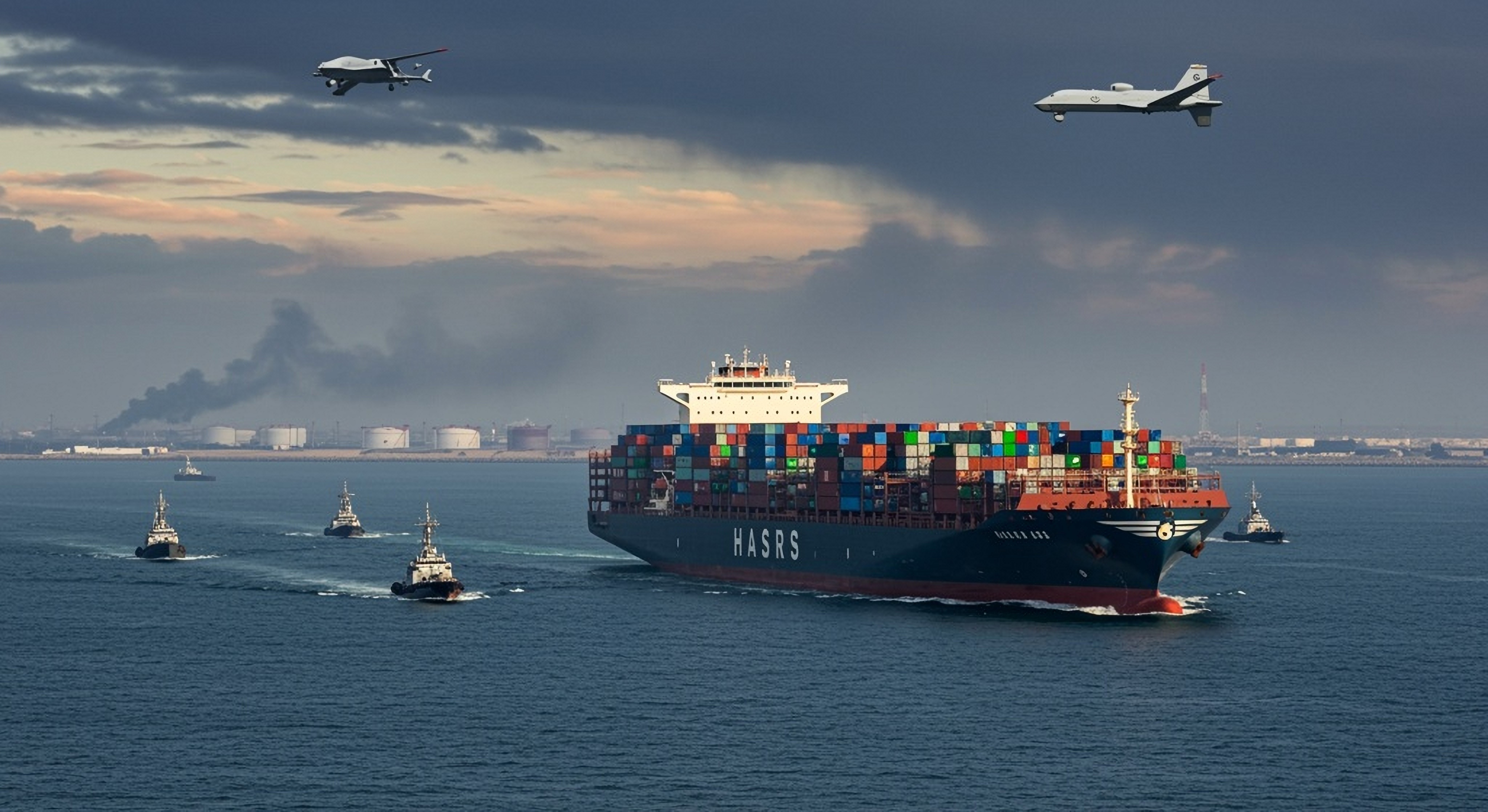
Do these ships have enough fuel to sail?
The international transport and aviation expert explains that there are no reliable reports indicating that the waiting vessels are facing an imminent fuel shortage. Most of them have been stationary and therefore are not consuming significant amounts of fuel. He adds that the main issue has been security risks, insurance concerns, and unclear transit rules, rather than an immediate lack of fuel.
Raouf also points to another issue that is currently emerging, which is the shortage of supplies such as food, beverages, and medicines on board cargo ships. He explains that according to maritime shipping protocols, large vessels carry provisions sufficient for one month, and some may extend that to a maximum of one and a half months. With the Iran war exceeding five weeks, most of these ships are now likely experiencing shortages in supplies.
He notes that in such wartime or emergency stoppage situations, some companies resort to temporarily evacuating part of the crew and sending them to the nearest coastal city to ensure that onboard provisions do not run out.
He adds that these ships can still refuel or restock supplies from neighboring countries such as Oman and Saudi Arabia, and that the situation is not critically dangerous and can be managed.
What are the stranded ships in the Strait of Hormuz carrying?
Lloyd’s List estimates that more than 600 cargo ships, each with a carrying capacity exceeding 10,000 tons, remain stuck in the wider Gulf region, including 325 tankers. Among these, 154 vessels were already loaded with cargo.
In the latest operational snapshot, Lloyd’s List data showed that only 15 large cargo ships out of 27 have used the Iranian designated route since April 13. This indicates that the announced reopening has not yet translated into a full return to normal traffic, meaning the ships will not all resume movement immediately or at the same time, according to the expert cited.
S&P Global also reports that most of the stranded vessels in the Strait of Hormuz are oil tankers, chemical carriers, petroleum product tankers, and liquefied natural gas carriers. About 20 percent of global oil and liquefied natural gas shipments pass through the strait, which makes the most sensitive cargo during this disruption crude oil, petroleum related products, and gas shipments.