A popular referendum in the streets of Iran



 Messenger
 Whatsapp
 Threads
 Email
Email
 Print
Print
 X
X
 Facebook
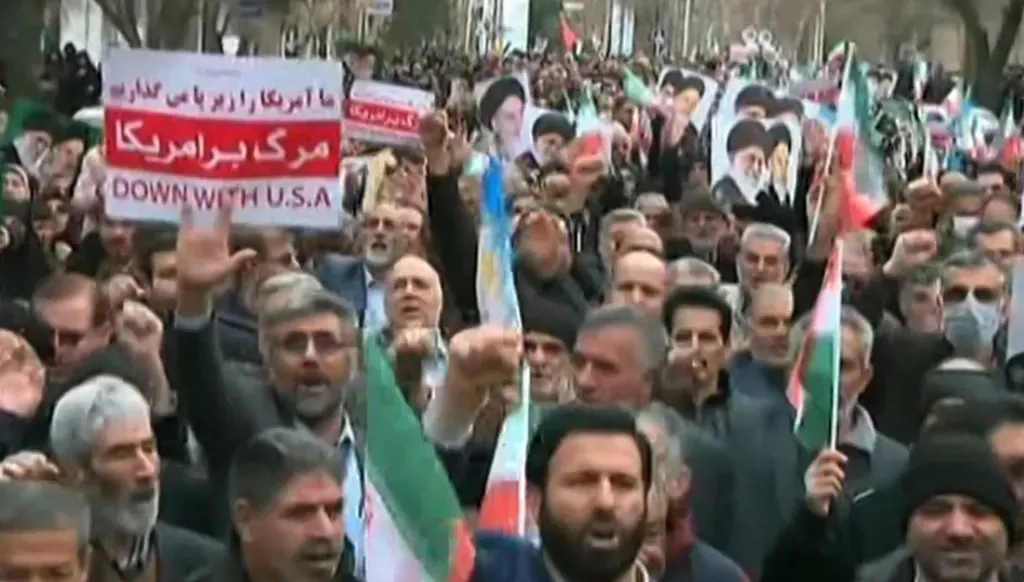


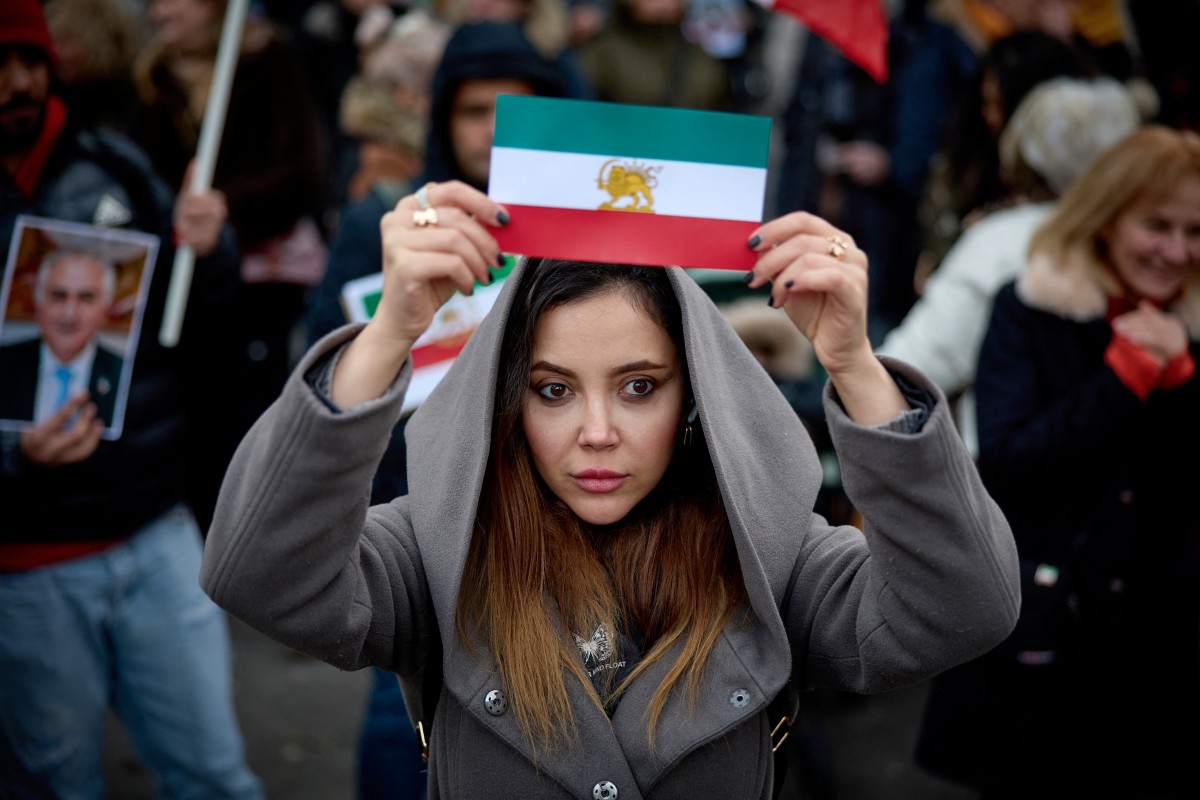
On Monday, the Iranian street will split into two. Local and international attention is focused on which side will be larger and more capable of influencing events, and on the possibility of clashes between the two sides. The first side is the ongoing protests against Supreme Leader Ali Khamenei and his policies. The second side is composed of government supporters who have mobilized as a counter-movement to the protest demonstrations.
Iran had announced a "massive" popular demonstration that will be organized to denounce the actions of "rioters and armed terrorists," in reference to the anti-regime protests. This gathering will take place at 2 p.m. in Islamic Revolution Square in central Tehran, along with other areas, and will include "various groups and families of martyrs, especially the families of the martyrs of the riots."
Iran's policy of mobilizing a pro-government street against an opposing street is not a new experience. Many regimes have used this approach for several reasons, primarily to prove their legitimacy to both domestic and international audiences by showing mass support and projecting a position of strength instead of weakness during expanded anti-government protests.
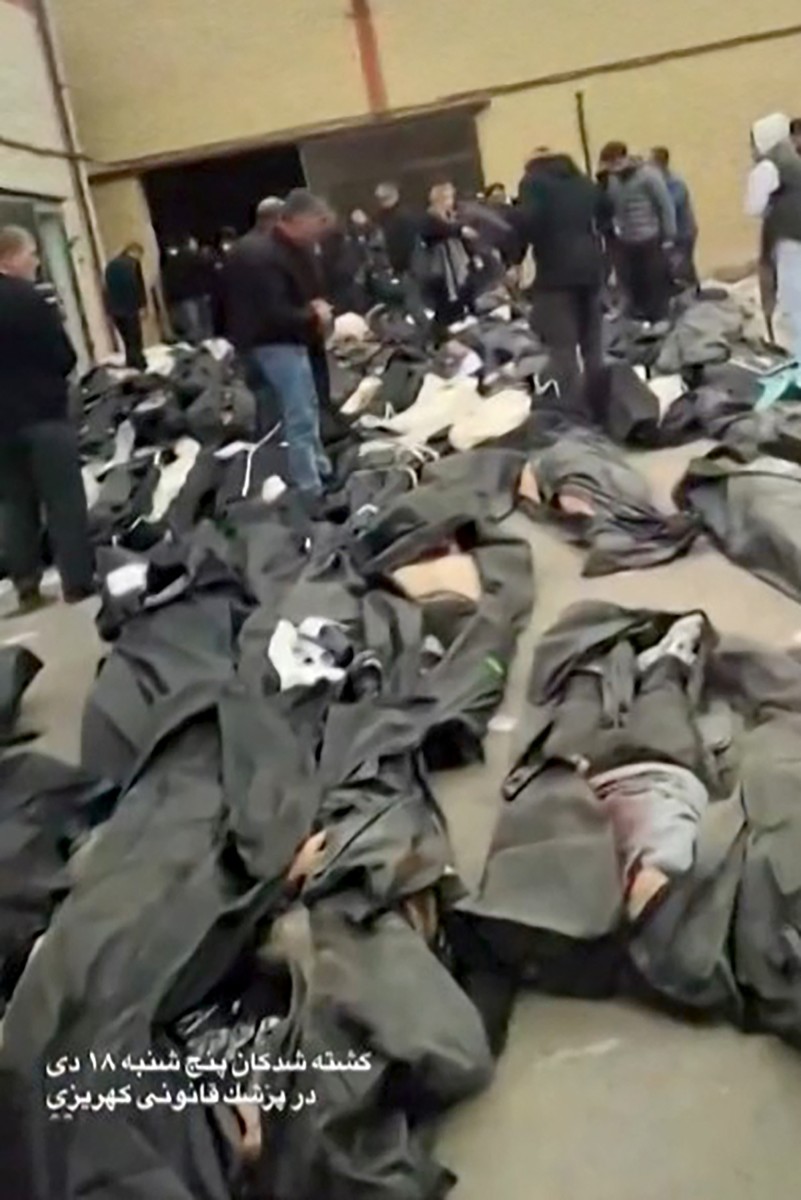
This measure taken by the Iranian government falls within a broader policy to end the protest situation, which has intensified as government buildings have begun to be stormed, clashes have occurred with security forces, and Iranians on both sides have been killed. This is the third step following the cutting of internet services, which was aimed at preventing communication between protesters internally and externally, and after the decision to begin repression.
Factors Driving Regime Supporters
The Iranian authorities are not distant from the pro-government demonstrations. The Coordination Council of the Islamic Propagation Organization announced that it intends to mobilize regime supporters in the streets of Tehran. But media and political communication researcher Dr. Ali Ahmad speaks of deeper scenes related to the Iranian mindset and the country’s social structure. He points out that American and Israeli threats have "provoked" Iranians and pushed them to rally behind their regime, since "the threats target their state" and do not stop at the regime itself.
Speaking to Annahar, Ahmad refers to a series of other factors. He says that cases of killing and the burning of mosques and institutions push Iranians to move "spontaneously" because such acts create a sense of provocation. He explains the mechanism of mobilization, noting the existence of local committees and popular frameworks, such as husseiniyas (Shiite religious community centers) and bodies responsible for religious rituals in different areas, which "move without central management" to support the regime and secure their areas from unrest.
Expected Scenarios
The scene of large-scale demonstrations is not unfamiliar to Iran. They have occurred in several waves, the most notable being the Green Movement uprising in 2009. Ahmad says that the Iranian security apparatus has "become experienced" in dealing with protest movements. At first, it monitors the movements and those who cause unrest, and after popular committees mobilize, the security forces gain popular support to suppress cases of rioting.
While there are expectations of street clashes after pro-government supporters go down to the streets, Ahmad rules out this scenario based on the popular Iranian mindset that "rejects violence and clashes." In his estimation, the protests "will decline" in intensity.
However, that does not mean the absence of violence, since the security forces will resort to more repression as cases of street disorder increase and the scope of chaos expands.
In the end, the Iranian authorities are moving toward the street game that the protesters turned to and today will serve as a popular referendum over the size of regime supporters and its opponents. Therefore, local and foreign attention will turn to both sides of the street and to what changes may occur after Monday to the Iranian scene and the ongoing protests, with all scenarios remaining open.
Disclaimer: The opinions expressed by the writers are their own and do not necessarily represent the views of Annahar