

Syria in 2025: A prolonged transition amid fragmentation and incomplete statehood



 Messenger
 Whatsapp
 Threads
 Email
Email
 Print
Print
 X
X
 Facebook
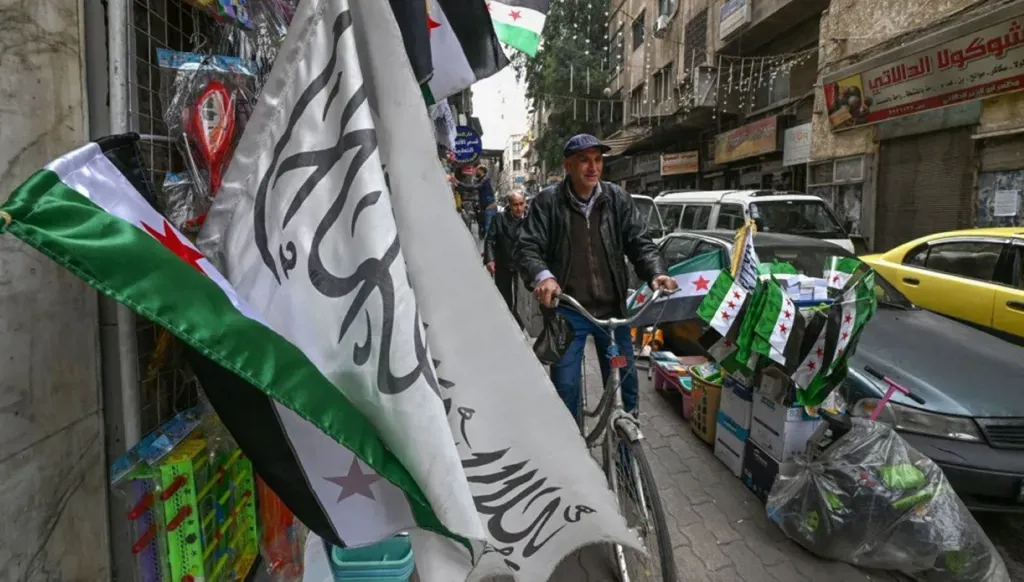


By the end of 2025, Syria had not moved from collapse to stability, but had instead entered a prolonged and complex transitional phase. This period has been marked by simultaneous attempts to reassert authority, ongoing internal fragmentation, cautious and conditional external engagement, and a still-unsettled security landscape. Rather than consolidating the foundations of a future state, the past year has merely sketched the contours and competing possibilities of Syria’s eventual reconstitution.
Domestically, the year witnessed the gradual emergence of new features of authority, expanding governance through the formation of a government after an interim phase, efforts to reorganize military and security institutions, and the management of economic affairs and foreign relations. This practical expansion unfolded without a clear settlement on the nature of the political phase itself, blending the logic of a transitional period with practices that assume relative stability, yet without definitive characterization or institutional completion. This ambiguity was reflected in the slow formation of representative structures and in the handling of political entitlements as open-ended processes rather than time-bound steps.
On the ground, the close of the year revealed a country no longer functioning as a unified political entity. In the eastern Euphrates region, the year ended without the implementation of announced agreements within their specified timelines, resulting in a suspended reality shaped by partial understandings, overlapping internal and external negotiations, and sporadic field confrontations, alongside direct regional and international involvement in managing the file. Rather than producing a resolution, this dynamic entrenched a prolonged state of negotiation, placing increasing strain on the notion of a unified state in favor of entrenched de facto arrangements.
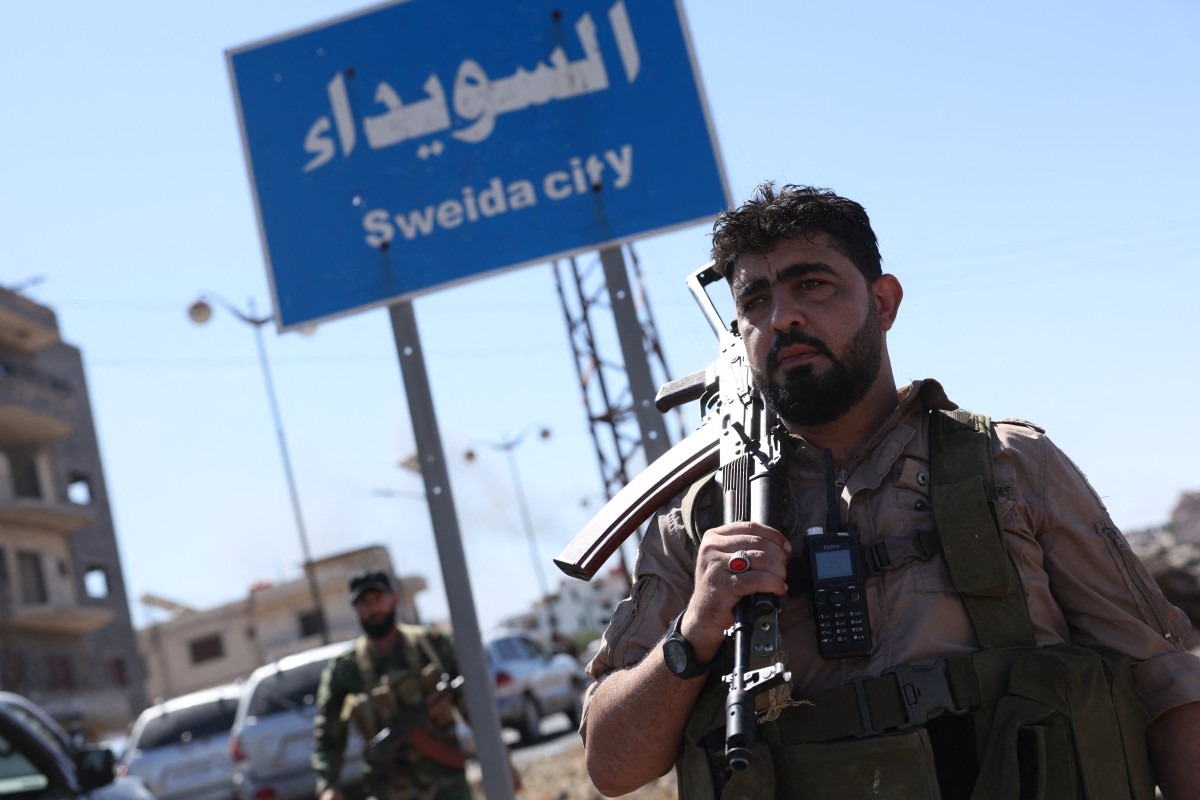
In Suweida, the trajectory took a sharper and more consequential turn, as the crisis moved beyond the bounds of local protest and social tension to include overt separatist rhetoric under the banner of “Mount Bashan.” This shift unfolded amid continued sporadic clashes and clear regional extensions, shaped by agreements and trajectories pursued outside the Syrian national framework. In this context, the crisis was no longer defined solely by levels of violence, but by a transformation in geography itself - from a space of protest to the nucleus of an alternative political project positioned outside the authority of the central state.
In the coastal region, a major massacre exposed the fragility of the relationship between the state and society. This was followed by organized civic mobilization, expressed through sit-ins, strikes, and demands that shifted from a narrowly defined security framework into a broader political arena focused on representation, accountability, and guarantees. As a result, the coast also emerged as a distinct space of political expression - despite the absence of explicit separatist demands - adding a new and complex layer to the state’s internal landscape.
From a security perspective, the year did not bring the war file to a close. The resurgence of ISIS activity across multiple regions, coupled with the continuation of US airstrikes, reinforced a reality in which key security issues are managed partly outside national institutions and governed more by containment and control than by definitive resolution. By the end of the year, this dynamic had become embedded in the broader landscape, underscoring that security sovereignty remains incomplete and that the monopoly over the legitimate use of force has yet to evolve into a fully self-sustaining internal capability.
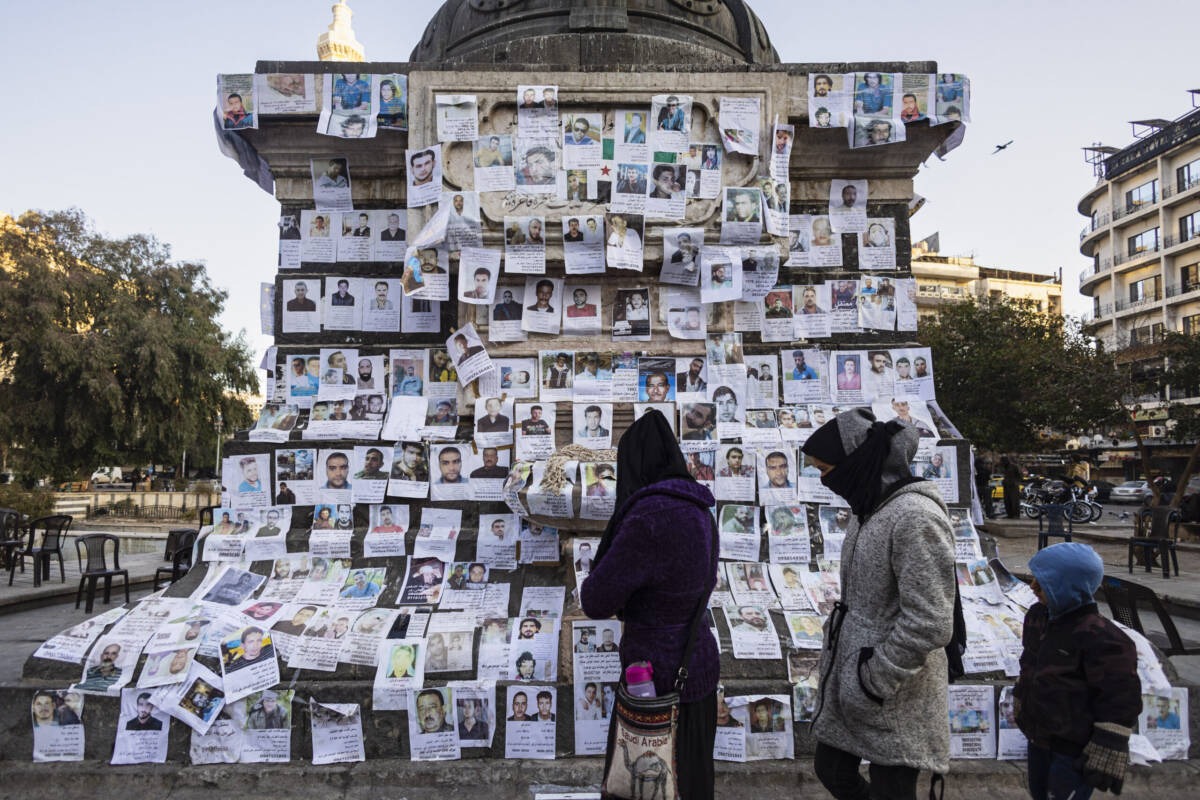
Regionally, by the end of 2025, Syria had come to function more as an open security arena than as an equal actor in regional arrangements. The proposed security agreement with Israel - raised repeatedly throughout the year - ultimately stalled without being signed, amid fundamental disagreements over its scope and terms. Meanwhile, facts on the ground asserted themselves through direct Israeli incursions, including the occupation of the Mount Hermon summit, as well as a broad aerial campaign in the immediate aftermath of the regime’s fall that targeted heavy military capabilities. Taken together, these developments reshaped Syria’s position within the regional security equation, marked by the retreat of traditional military capacity and the widening space for external intervention.
Within this context, heightened security exposure unfolded alongside a conditional political and legal opening to the outside world. Meetings between President Ahmad al-Sharaa and US President Donald Trump, the removal of al-Sharaa’s name from terrorism lists, and the lifting of the Caesar Act together marked a pathway toward reintegrating the new authority into the international political system after years of isolation. Yet this reintegration stopped short of full or definitive recognition, unfolding instead within a cautious, testing framework that opened possibilities for engagement and support without lifting oversight conditions or translating quickly into tangible domestic improvements.
Seen through this lens, 2025 did not end as a year of transition toward stability, but as one that confirmed the entrenchment of a long-term transitional phase. Government institutions continued to advance in practical terms, while fundamental questions concerning the nature of the state, sovereignty, and the form of the national social contract remained unresolved. It was a transition that did not determine Syria’s future trajectory, but instead outlined the provisional boundaries within which that future continues to be negotiated.
Disclaimer: The opinions expressed by the writers are their own and do not necessarily represent the views of Annahar.