

Israel pushes toward a “decisive battle” in Gaza as Washington moves toward direct involvement
Escalating assassinations, expanding field control, and growing American involvement reshape the next phase of the war in Gaza.



 Messenger
 Whatsapp
 Threads
 Email
Email
 Print
Print
 X
X
 Facebook
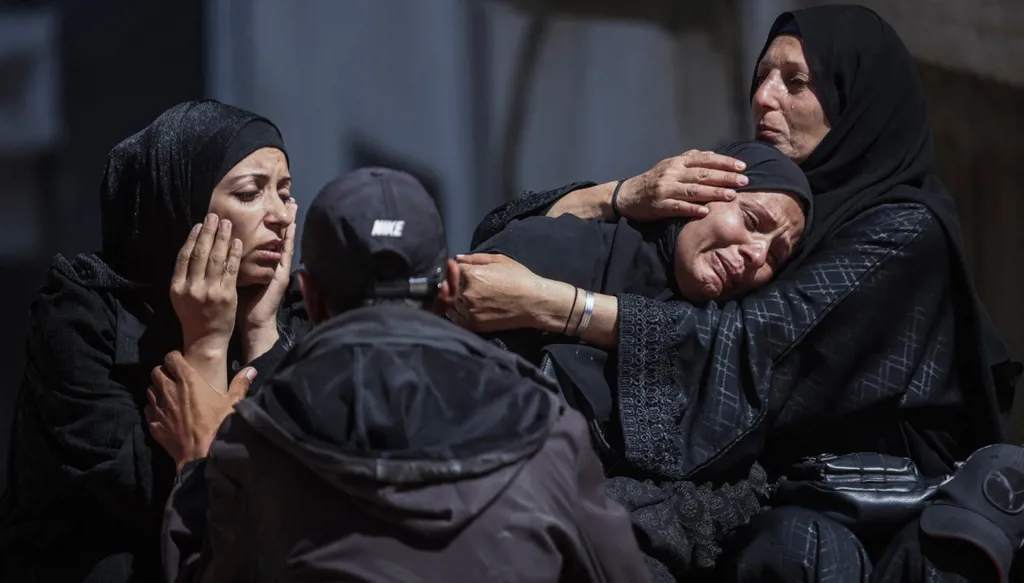


The situation in the Gaza Strip is rapidly escalating amid growing Israeli rhetoric about a “decisive battle” with Hamas, alongside an intensified campaign targeting the movement’s leaders through assassinations. At the same time as the military escalation, Washington is moving toward direct involvement in the Gaza file.
The Israeli army is pushing toward a battle in the Strip that it says could determine the outcome of the war with Hamas, with plans that include occupying Gaza City and administering the sector for two full years.
Meanwhile, Washington is preparing to enter the Strip directly, as representatives of President Donald Trump’s Peace Council have officially requested access to Gaza within days, marking the first visit of its kind as part of an American move.
It now appears that the United States intends to become far more deeply involved in the Gaza Strip issue. The first step is expected in the coming days with the visit of Peace Council representatives to the sector.
Escalation of assassinations
As part of the intensified assassination campaign targeting Hamas leaders, the Israeli army announced that it carried out an airstrike in Khan Younis on Tuesday, saying it resulted in the killing of Ihab Krizem, whom it described as being responsible for a central system used to transfer funds to Hamas.
The army also announced the killing of Mohammad al Habbash, head of a unit within Hamas’ production authority, stating that he took part during the war in manufacturing military equipment for the movement.
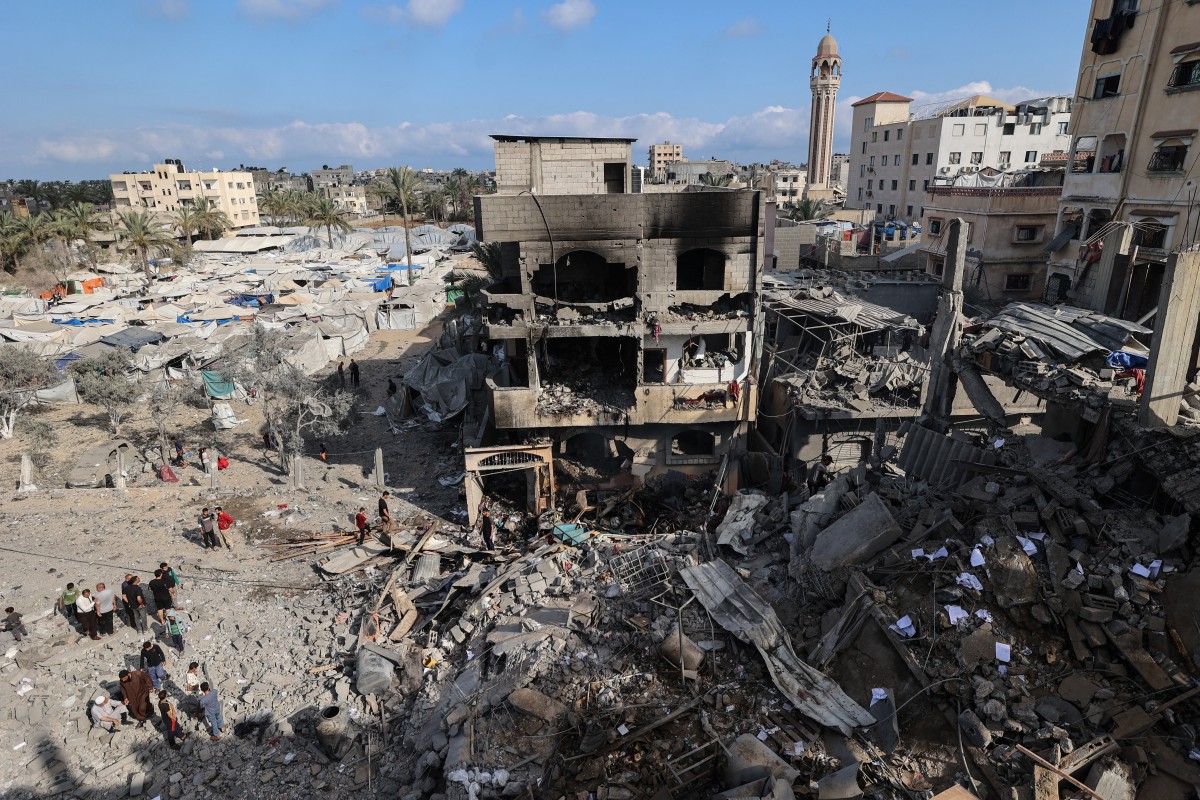
In this context as well, the Israeli army and Defense Minister Israel Katz announced the assassination of Mohammad Odeh, who had assumed command of Hamas’ military wing following Ezzedine al Haddad.
The army said the operation was carried out in cooperation with the Israeli Security Agency (Shabak) after months of intelligence monitoring to track his movements inside Gaza City.
In this regard, researcher on Israeli affairs Yasser Manna says that the war in Gaza does not appear to have truly stopped. Rather, Israel has reorganized it under a new title that is more marketable to the United States.
He explains that since the ceasefire, Israel has continued managing an ongoing war based on gradually expanding field control, alongside the use of allied local groups in a war of attrition against Hamas, while carrying out a series of assassinations aimed at dismantling the movement’s organizational structure and weakening its leadership at an accelerated pace.
He adds that Israel is simultaneously continuing preparations for a broader military operation at a time when humanitarian conditions are deteriorating further, making the current phase harsher than previous ones despite being politically presented as a “disciplined” war or one aligned with the American ceiling.
The yellow line expands
Israeli Channel 14 reported that “Israel will work in coordination with the Americans to significantly expand the scope of the yellow line in the Gaza Strip over the coming months.”
Under the ceasefire agreement signed in October 2025 between Israel and Hamas, Israeli forces withdrew to a demarcation line known as the “yellow line,” which covered around 53% of the Gaza Strip. However, this line is expanding, confining Gaza’s residents to a shrinking strip of land. International relief organizations say the Israeli army provided them last month with a new map showing an “orange line,” indicating that Israel now controls around 64% of the sector.
Meanwhile, Channel 13 reported that “the Southern Command in the Israeli army is pushing toward carrying out a military operation in Gaza aimed at deciding the war with Hamas,” revealing that “the army is approving military plans that include occupying Gaza City and administering the sector for two years.”
Amid this gradual escalation, Gaza appears to be entering a new phase in which assassinations intersect with plans for field control and growing American involvement.
Between Israel’s talk of “deciding the war” and Washington’s efforts to shape the day after, the fate of the sector remains open to a longer and more complex confrontation amid an escalating humanitarian cost.