

Tyre: The city that refuses to fall
From Phoenician rock to frontline city, Tyre carries the layered history of Lebanon and the Middle East, balancing war, memory, coexistence, and the struggle to survive without surrendering its identity.



 Messenger
 Whatsapp
 Threads
 Email
Email
 Print
Print
 X
X
 Facebook


Raymond Abi Tamer
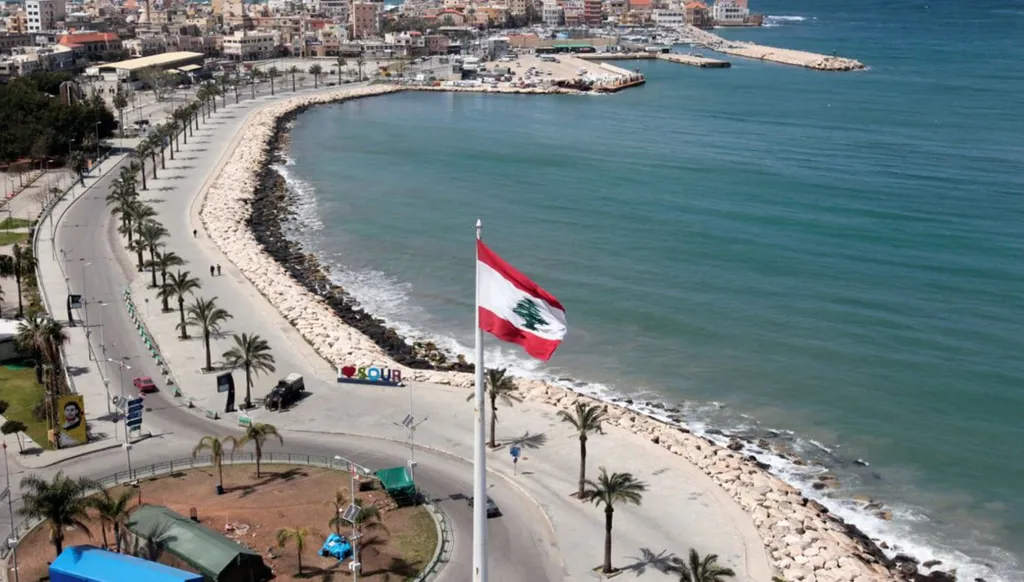
Tyre is not merely a city of sea and shoreline. It is an open archive of the Middle East, where layers of Phoenicians, Greeks, Crusaders, and Palestinians have accumulated over centuries. Here, cultural heritage collides with a restless geography, and history becomes part of everyday life.
Located 83 kilometers south of Beirut, Tyre carries a significance far greater than its size. The city is listed as a UNESCO World Heritage Site, yet for decades it has remained on the frontline of a border conflict that continues to shape the rhythm of life for both the city and its people.
The rock Alexander linked to the mainland
The name Tyre comes from the Phoenician word meaning “the rock.” The ancient city was originally built on a heavily fortified island until Alexander the Great arrived in 332 BC and constructed a causeway to invade it. What began as a military strategy eventually became a permanent geographical transformation.
With time, the causeway turned into a sandy strip that connected the island to the mainland, transforming Tyre into a peninsula. The city became divided both socially and architecturally. To the west remained the old quarter, home to fishermen and Ottoman era houses, while to the east Hay Ramel expanded with its commercial and administrative centers.
Several cities within one city
Tyre represents a model of coexistence shaped by everyday reality rather than slogans. Its population is predominantly Shiite, alongside Christian, Sunni, and Palestinian communities whose lives remain deeply intertwined.
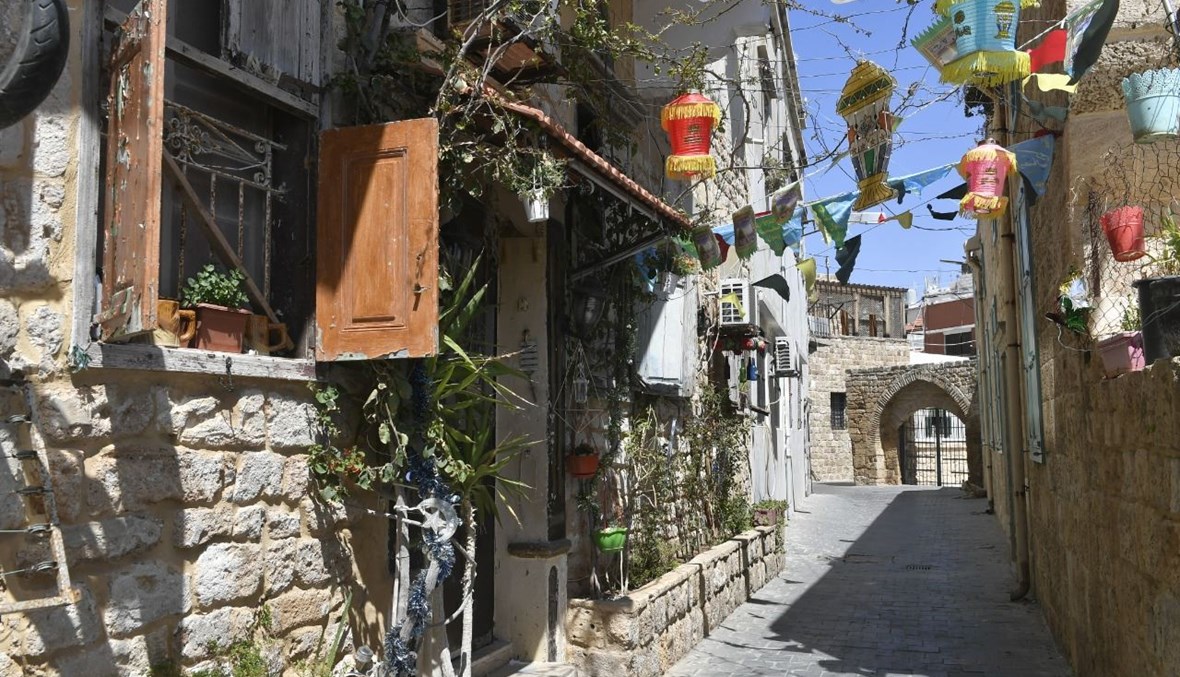
In the Christian quarter within the old city, Maronite and Catholic families still make their living from the sea.
The story of Imam Musa al Sadr and the ice cream vendor Joseph Antiba was never just a media moment. It reflected an everyday relationship that broke sectarian barriers long before such ideas were reduced to empty slogans.
Camps along the coast
The camps of Al Bass, Rashidieh, and Burj al Shamali are part of the city’s modern identity. Tens of thousands of Palestinians have lived there since 1948.
Al Bass camp began as a shelter for Armenians before Palestinians settled there. A Maronite church still stands inside it as a witness to this overlap.
Rashidieh, the closest camp to Palestine, played a central role in Palestinian military activity and paid a heavy price during the War of the Camps.

The old quarter
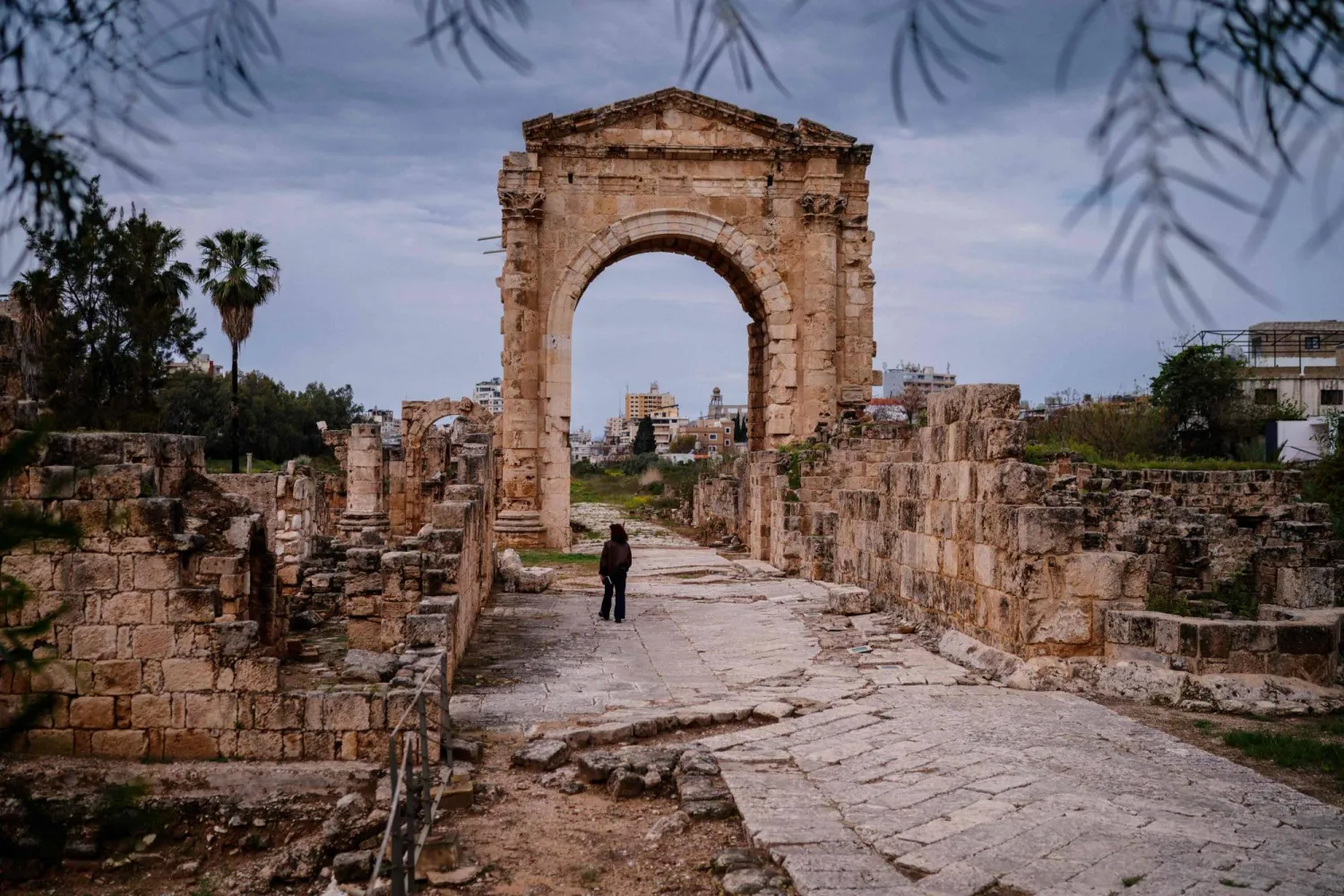
Tyre’s neighborhoods tell the story of its different eras. Hay al Raml is the modern heart of the city, the center of commerce and movement. The old quarter is its memory, with narrow alleyways, Ottoman architecture, and houses lined tightly along the sea. The Al Bass area brings together daily life and archaeological sites such as the hippodrome and the triumphal arch.
This direct contact between archaeological heritage and everyday life has left both exposed to danger. Uncontrolled urban expansion during the Lebanese Civil War placed pressure on archaeological sites and turned some of them into areas for construction and housing.
From the "Movement of the Deprived" to Hezbollah
Tyre was the launching point for the political transformation of Lebanon’s Shiite community. With the arrival of Imam Musa al Sadr in 1959, a new phase of organizing social demands began. In 1974, he announced, from the city, the birth of the "Movement of the Deprived".
After 1982, Hezbollah expanded its presence in the south and turned Tyre into one of its main strongholds. Today, the political scene in the city is shared between the Amal Movement and Hezbollah, with only limited presence from other forces. Politics here is not merely a battle of slogans, but a direct reflection of the equation of security and borders.
Tyre on the frontline since 1978
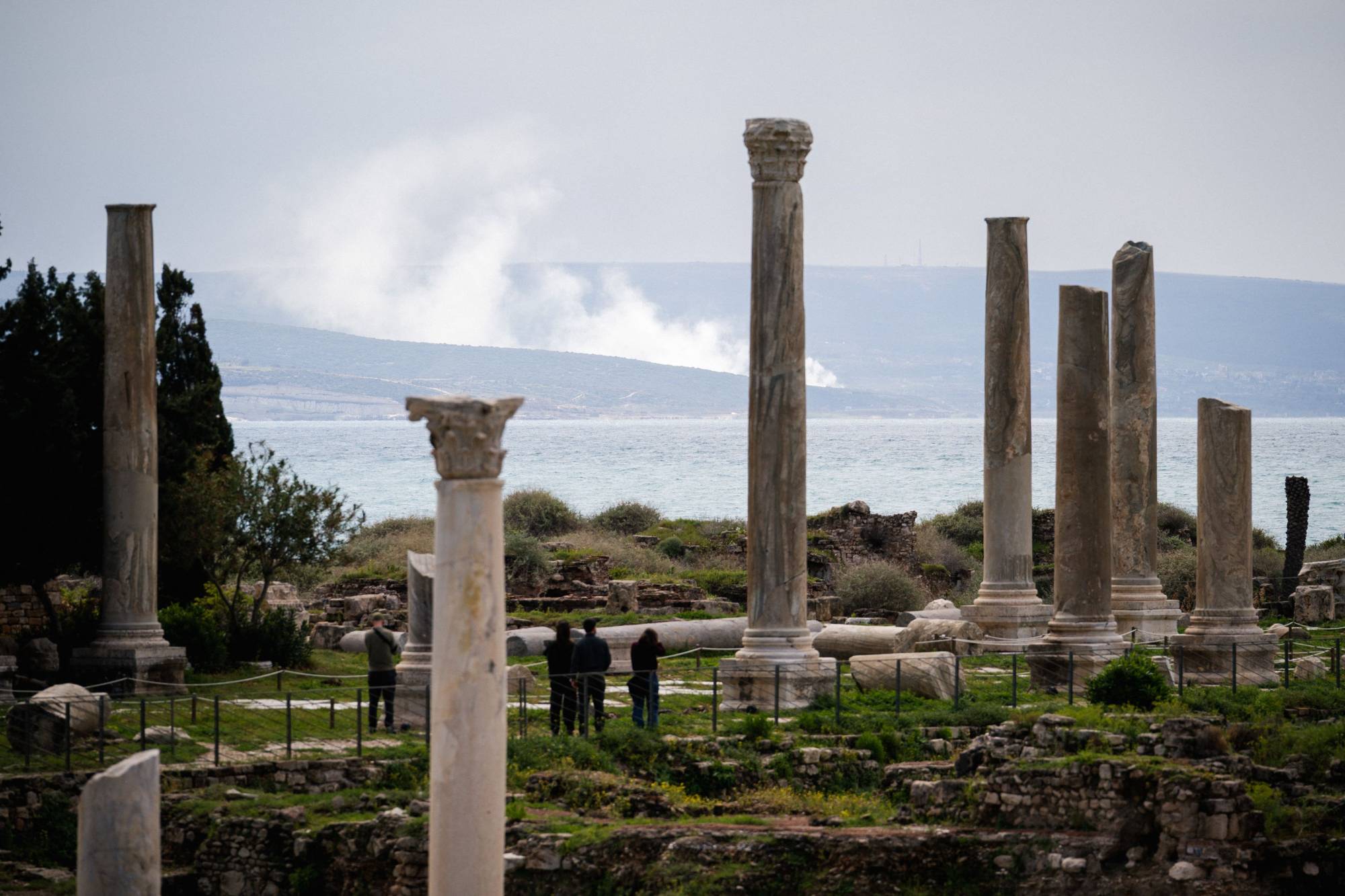
Its location in direct contact with the border placed Tyre at the center of every confrontation: Operation Litani in 1978, the 1982 invasion, the 1993 and 1996 operations, the July War in 2006, and the escalation of 2024. Every round left its mark.
During the July War in 2006, the destruction of bridges isolated and besieged the city. Infrastructure was targeted, the marine environment was damaged, and cluster bombs crippled agriculture for years.
In 2024, the escalation was even harsher. Evacuation orders covered most neighborhoods, leading to mass displacement, while direct damage struck the urban fabric and archaeological sites. Evacuation warnings continue to be repeated today.
A sea that cannot feed everyone, and land that is not enough
Tyre’s economy rests on three pillars:
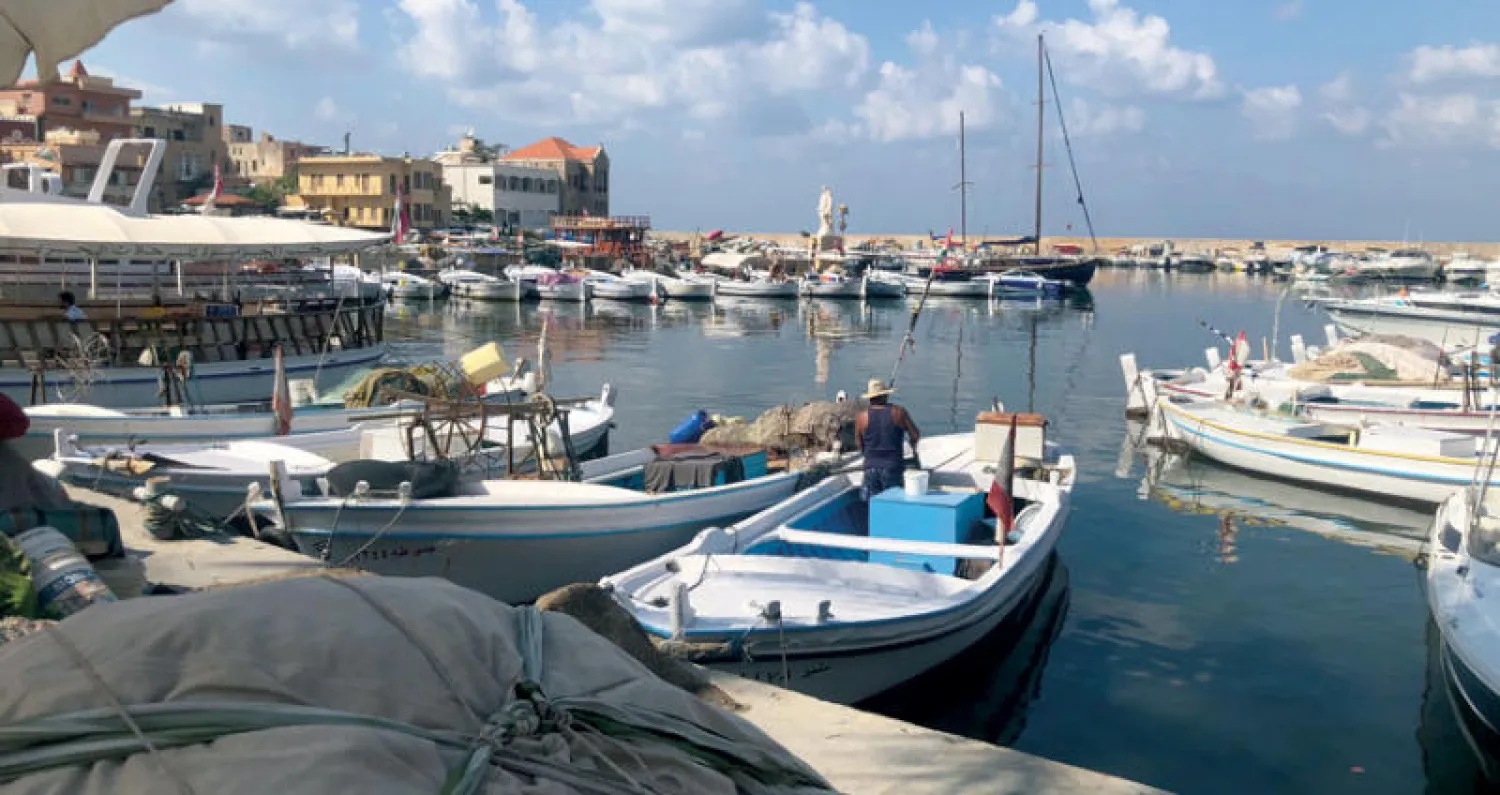
- Fishing is a traditional source of livelihood in the old quarter, but it is trapped by poverty, lack of protection, sea pollution, and illegal fishing. Above all, military restrictions during times of war completely cut off fishermen’s livelihoods.
- Agriculture depends on the Litani River and the springs of Ras al Ain, making Tyre a food basket for citrus fruits, bananas, and vegetables. Irrigation projects supported this role, but environmental and economic crises continue to erode it.
- Tourism remains an unfulfilled opportunity. Despite Tyre’s UNESCO classification, tourism is still seasonal and limited mainly to local visitors and expatriates. In recent years, attempts have emerged to revive crafts and cultural industries as a way to connect the economy to the city’s cultural heritage instead of leaving it to chance.
Tyre is a city that does not die
Tyre is not a frozen archaeological city. It is more like a living entity that reshapes itself with every hardship. The real challenge is not simply survival, but its ability to balance the burden of repeated wars with its legitimate ambition to become a global tourist destination that invests in its cultural heritage.
Every time it is struck, it rises again. As if the sea and the rock have taught it never to break. From beneath the rubble, it rearranges its alleyways, reopens its shops, and rewrites its story.
The story of Lebanon cannot be told without Tyre. It is a small-scale mirror of the entire country: a deeply rooted history, sectarian diversity, conflict along the borders, and a determination to confront collapse.
If Tyre stops, the pulse of the entire southern coast fades with it. And if it rises again, it carries with it Lebanon’s chance that recovery and renewal are still possible.