How the UAE became the world’s sovereign wealth powerhouse: Inside its $2.7 Trillion investment empire

Business Tech 19-05-2026 | 15:21

How the UAE became the world’s sovereign wealth powerhouse: Inside its $2.7 Trillion investment empire

From oil surpluses to global influence: Why the UAE’s diversified sovereign funds are reshaping finance, industry, and geopolitics worldwide.


How the UAE became the world’s sovereign wealth powerhouse: Inside its $2.7 Trillion investment empire
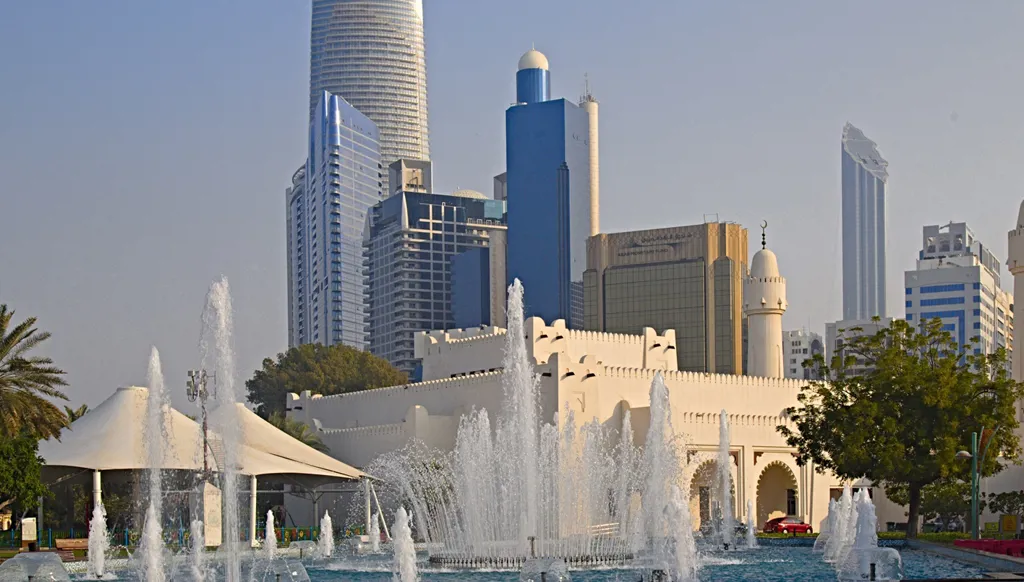
Abu Dhabi, the capital of the UAE (AFP)
Smaller Bigger


The United Arab Emirates holds the largest Arab sovereign wealth fund for 2026, dominating six positions in the list of the top 10 Arab sovereign wealth funds. The assets of the three largest Emirati funds—namely the Abu Dhabi Investment Authority, the Investment Corporation of Dubai, and Mubadala—are estimated at about $1.974 trillion in 2025, with expectations to rise to $2.767 trillion by 2030, according to the Global SWF report.


How did the UAE come to top the list of the largest sovereign investment funds, how many of these funds exist, and how does the UAE deploy its financial surpluses through them?


According to estimates from Global SWF, as cited in a recent report, the seven largest state-owned investment institutions in the UAE are expected to control approximately $2.5 trillion in assets by the end of 2025, positioning the country as the largest sovereign capital hub in the Middle East and North Africa. This places the UAE ahead of Saudi Arabia, Kuwait, and Qatar in terms of platform diversity and total asset size.

Top 10 Arab sovereign funds in 2026

The UAE tops the list of the largest 10 Arab sovereign funds according to the Global SWF classification for 2026. The Abu Dhabi Investment Authority leads the list with total managed assets of $1,187 billion, followed by the Saudi Public Investment Fund with total managed assets of $1,151 billion, and thirdly the Kuwait Investment Authority with total assets of $1,002 billion. The Qatar Investment Authority comes fourth with total assets of $580 billion.


In sixth place is the Investment Corporation of Dubai (ICD) with assets of $429 billion, followed in seventh by the UAE’s Mubadala Investment Company with total assets of $385 billion. In eighth place is Al Ain Holding Company with total assets of $300 billion, while ninth is Dubai Holding with managed assets of $136 billion, and tenth is the Emirates Investment Authority with assets of $116 billion.

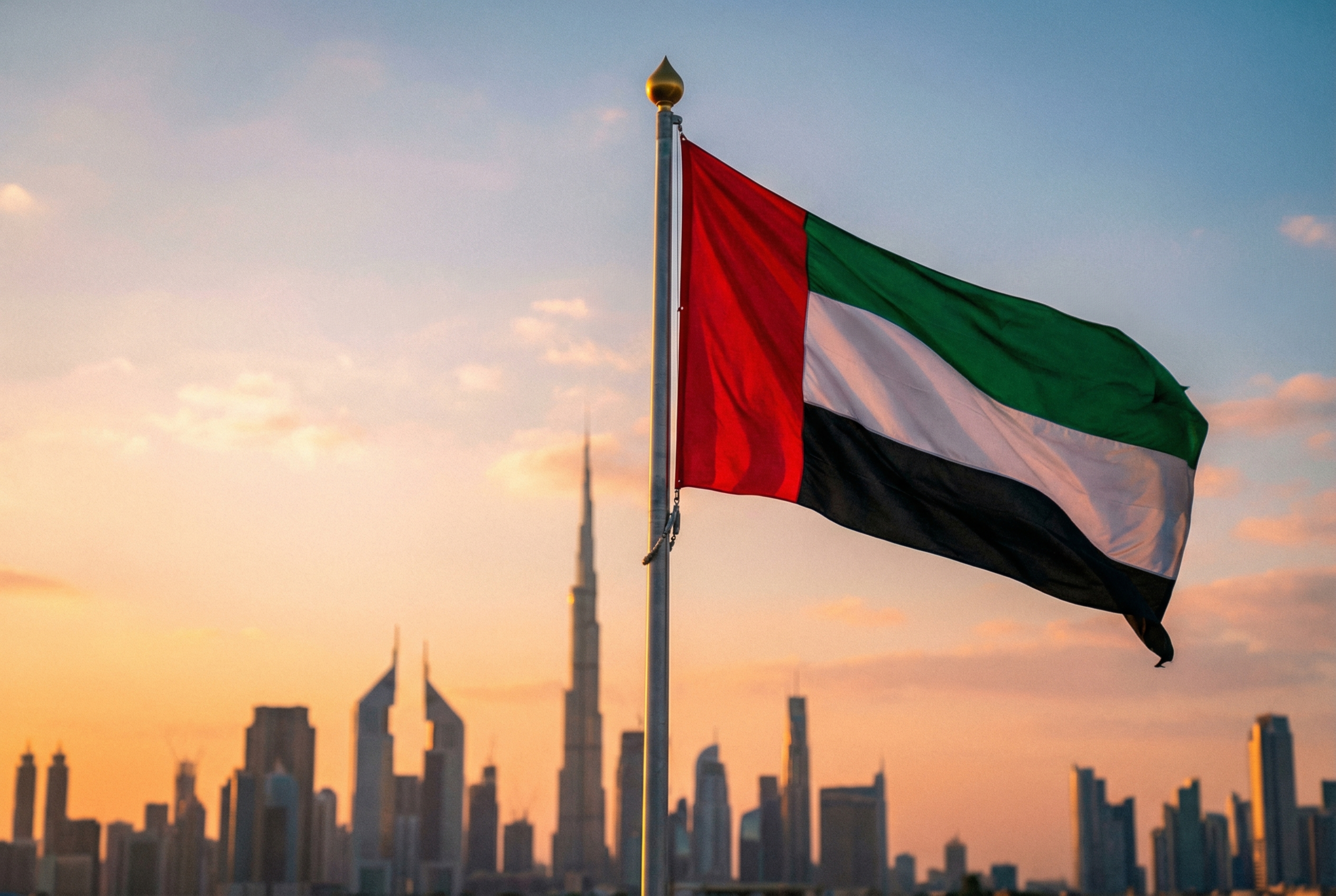
Flag of the United Arab Emirates (Shutterstock)


International investment expert Yasser Gharib tells Annahar that the strength of the UAE does not depend on a single large fund, but rather on a network of specialized government funds and investment platforms. Abu Dhabi manages the Abu Dhabi Investment Authority (ADIA), one of the oldest and largest sovereign funds globally, along with Mubadala and the holding company ADQ, part of whose assets were reorganized under the new L‘IMAD platform. Meanwhile, Dubai oversees the Investment Corporation of Dubai (ICD) and Dubai Holding, while the Emirates Investment Authority operates as a federal arm.

He adds that this structure gives the UAE a unique advantage that many of its competitors do not have, such as a functional distribution between a long-term savings fund, industrial development funds, holding arms for managing local companies, and global deal platforms.


Why does the UAE excel?

Gharib says the UAE’s excellence in launching and managing sovereign funds is due to several reasons. The first is timing: the Abu Dhabi Investment Authority was established in 1976, before most of the modern wave of Gulf funds. It built a highly diversified global portfolio across geographies and asset classes, aiming to create long-term value on behalf of the Abu Dhabi government.

The second reason is the plurality of arms, meaning the decentralization of a single fund. For example, Saudi Arabia relies heavily on the Public Investment Fund as a single transformation driver. In contrast, the UAE uses multiple platforms such as the Abu Dhabi Investment Authority (ADIA) for long-term wealth, Mubadala for technology, energy, industry, and private investments, the Investment Corporation of Dubai (ICD) for managing Dubai’s strategic assets such as aviation and banking services, and ADQ, “L'IMAD,” for infrastructure, supply chains, and economic security.

The third reason is the linkage between external investments and internal transformation. For instance, Mubadala increased its managed assets by 17% in 2025 to $385 billion, with annual returns exceeding 10% over five to ten years. It allocates about a quarter of its investments within the UAE, while U.S. assets make up 44% of its portfolio, with a clear focus on artificial intelligence, robotics, semiconductors, and data centers.


The fourth reason is the use of funds as an industrial policy tool. The UAE no longer invests only in stocks, bonds, and real estate; it uses its funds to build value chains in renewable energy, aluminum, aviation, ports, logistics services, artificial intelligence, health technology, and real estate. This makes sovereign capital a tool for reshaping the local economy rather than just a future-generation savings portfolio.

How does the UAE utilize these funds?

Expert Gharib states that the UAE uses its funds in four main directions. Firstly, securing income after oil: oil surpluses are not only retained in the budget but are converted into global assets capable of generating long-term returns. Secondly, building international influence: when Abu Dhabi and Dubai funds engage in deals with BlackRock, Goldman Sachs, AI companies, global infrastructure, or real estate, they are not just acquiring assets; they are securing a seat at the decision-making table in future sectors.


The third usage is financing local transformation; the funds inject capital into national companies leading sectors such as aviation, ports, clean energy, banking, real estate, and food security. Fourthly, managing geopolitical and economic risks, as the diversity of funds and the distribution of assets between America, Europe, Asia, and the UAE itself provide flexibility in facing oil shocks, interest rate changes, trade disruptions, or regional tensions.