

Bahrain Uncovers Iran-Linked Revolutionary Guards Network
Authorities say the case reveals a complex web of foreign coordination, ideological influence, and clandestine financing.



 Messenger
 Whatsapp
 Threads
 Email
Email
 Print
Print
 X
X
 Facebook
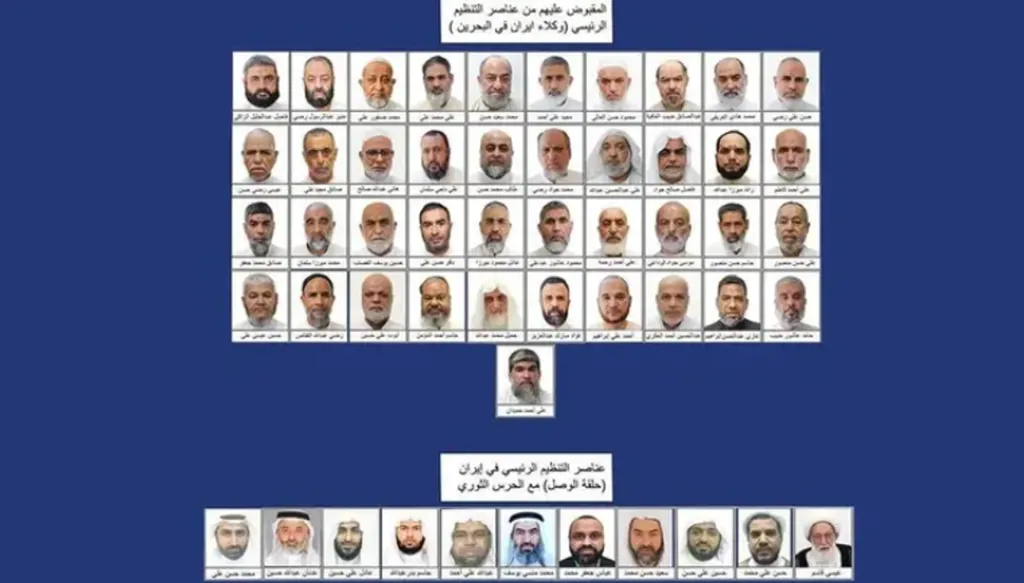


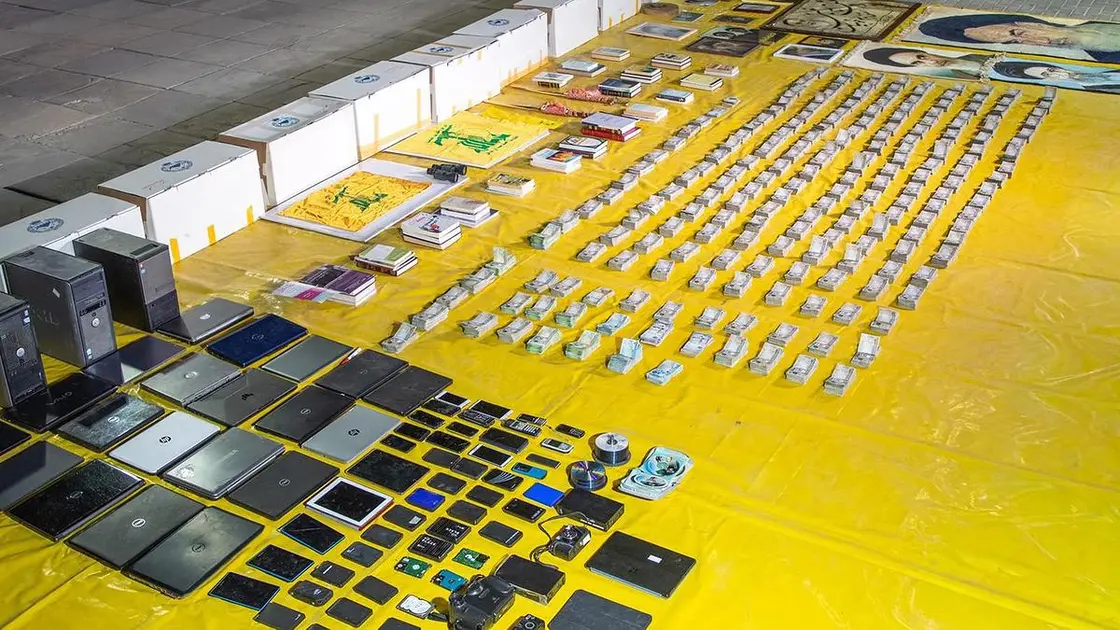
The Bahraini Ministry of Interior stated that the accused belong to the dissolved Olamaa Council, which was dissolved by judicial order, along with affiliated individuals. It noted that they formed what was described as a “terrorist” group, managed and financed its activities, coordinated with external entities linked to Iran and organizations in Iraq and Lebanon, and received military training.
The ministry added that the organization’s members carried out what it described as “organized terrorism” within Bahraini society by infiltrating religious, social, charitable, and educational institutions, including schools, kindergartens, and religious seminaries, with the aim of “strengthening loyalty to the Iranian Revolutionary Guards and the Wilayat al-Faqih at the expense of national affiliation.”
It pointed out that the organization worked to influence religious discourse within mosques, matams, and religious occasions, in addition to collecting money through unlawful means, which it claimed was transferred from agents of the Iranian Revolutionary Guards to finance terrorism-related activities inside Bahrain.
The Bahraini Interior Ministry confirmed that the organization’s movements were “under surveillance and monitoring,” emphasizing the continuation of security measures to protect the country’s security and stability “in a way that ensures the safety of the community in all its components.