

U.S.-Iran talks gain momentum as Trump signals possible breakthrough on peace deal
Diplomatic efforts advance amid disputed proposal, nuclear concerns, and high-stakes negotiations over sanctions and the Strait of Hormuz.



 Messenger
 Whatsapp
 Threads
 Email
Email
 Print
Print
 X
X
 Facebook

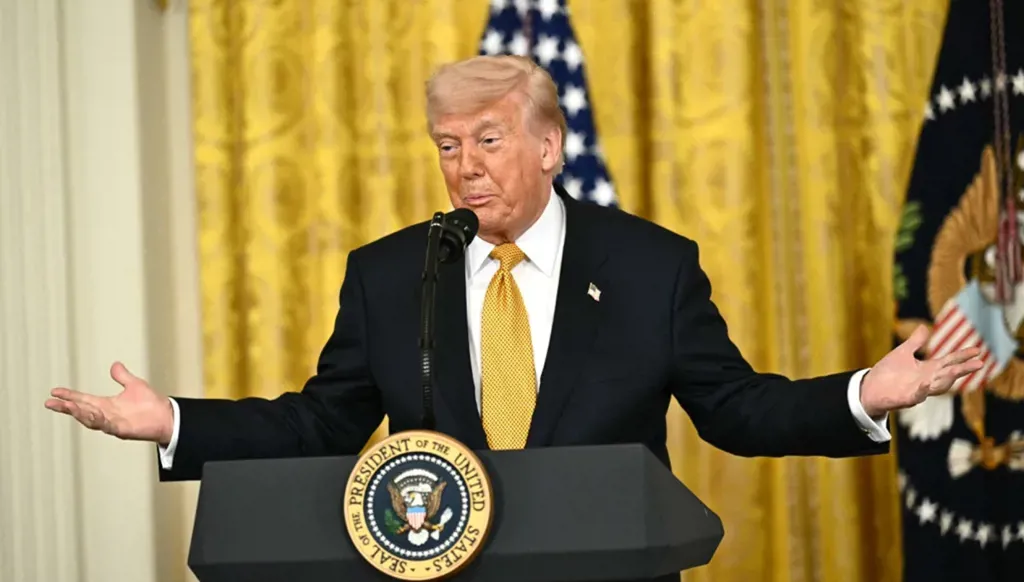


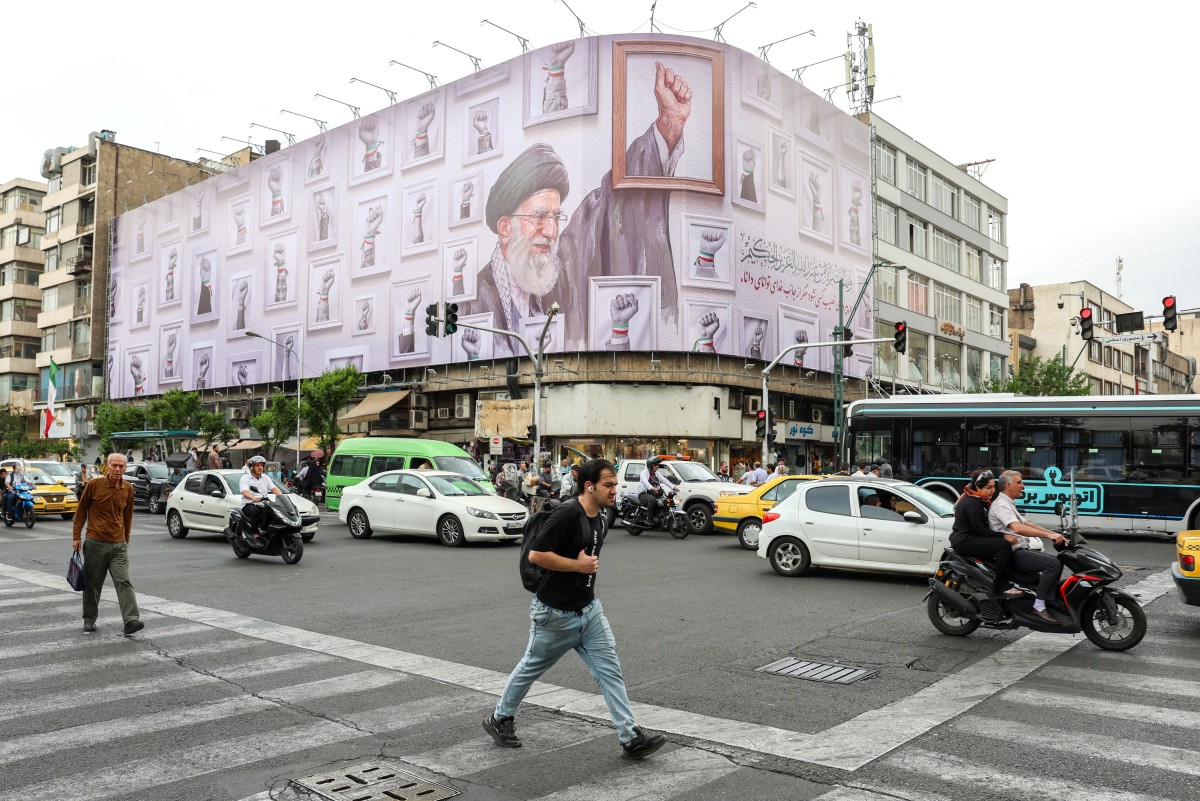
"14 Clauses" to end the war
A Pakistani source and another familiar with the talks confirmed the accuracy of a report published by the Axios website about the proposed one-page memorandum consisting of 14 clauses to officially end the war.
The sources noted that the memorandum would be followed by talks to open navigation channels through the Strait of Hormuz, lift U.S. sanctions on Iran, and agree on constraints on its nuclear program.
It is not clear how much the memorandum differs from Iran’s 14-point plan presented last week.
The spokesman for the Foreign Policy and National Security Committee in Parliament, Iranian lawmaker Ebrahim Rezaei, described the text as “closer to an American wish list than a reality.”
It appeared that Iranian Parliament Speaker Mohammad Bagher Ghalibaf was mocking reports of rapprochement between the two sides when he wrote on social media in English, “The "Trust Me Bro" operation has failed.”
He added that such reports are nothing but U.S. misinformation following its failure to open the Strait of Hormuz to navigation.
Pakistani Prime Minister Shehbaz Sharif expressed hope that the “momentum” resulting from the suspension of the military operation would pave the way for a long-term agreement.
Meanwhile, Israeli Prime Minister Benjamin Netanyahu said on Wednesday that Israel is “prepared for all scenarios” regarding Iran, stressing that he agrees with Trump on the need to remove all enriched uranium from Iran in order to prevent it from developing a nuclear bomb.
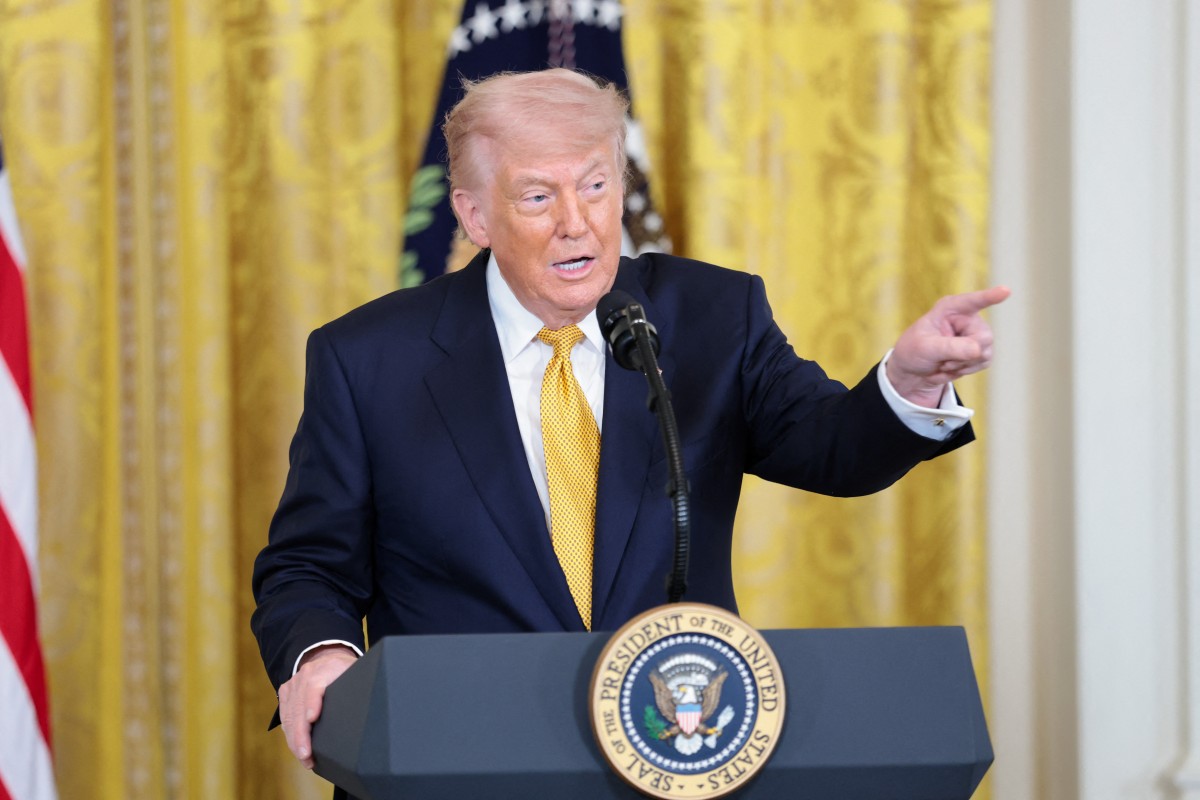
Main U.S. demands excluded from memorandum
In this context, a source familiar with the mediation efforts stated that Trump’s envoy, Steve Witkoff, and the president’s son-in-law, Jared Kushner, are leading the negotiations.
The source noted that if both sides agree to the preliminary agreement, detailed negotiations would begin over a 30-day period to reach a comprehensive deal.
It added that the comprehensive agreement would include lifting U.S. sanctions, releasing frozen Iranian funds, lifting the embargo imposed by Tehran and Washington on the Strait of Hormuz, and imposing constraints on Iran’s nuclear program, with the aim of achieving a temporary halt or freeze of uranium enrichment in Iran.
Despite sources confirming that the memorandum would initially not require concessions from either side, neither the sources nor the Axios website addressed several key demands previously made by Washington that Iran rejects.
Among the U.S. demands not included in the memorandum are restrictions on Iran’s missile program and a halt to its support for armed groups in the Middle East.
The sources did not address Iran’s current stockpile of enriched uranium, which exceeds 400 kilograms with a purity level close to weapons-grade. Washington had previously demanded that Iran relinquish this stockpile before any agreement to end the war.