

Lebanon’s wars leave mounting human and economic costs across 2024 and 2026




 Messenger
 Whatsapp
 Threads
 Email
Email
 Print
Print
 X
X
 Facebook
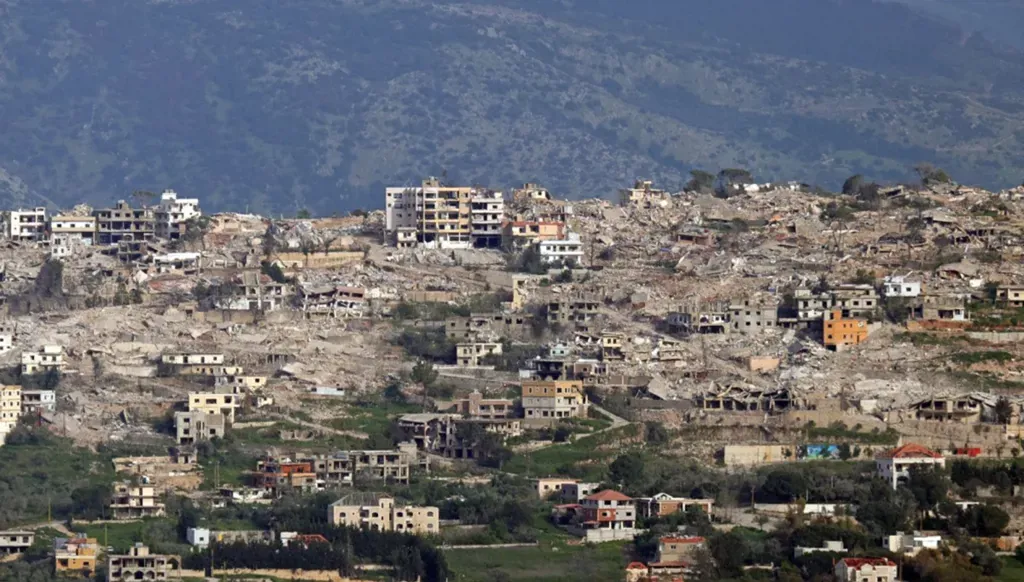
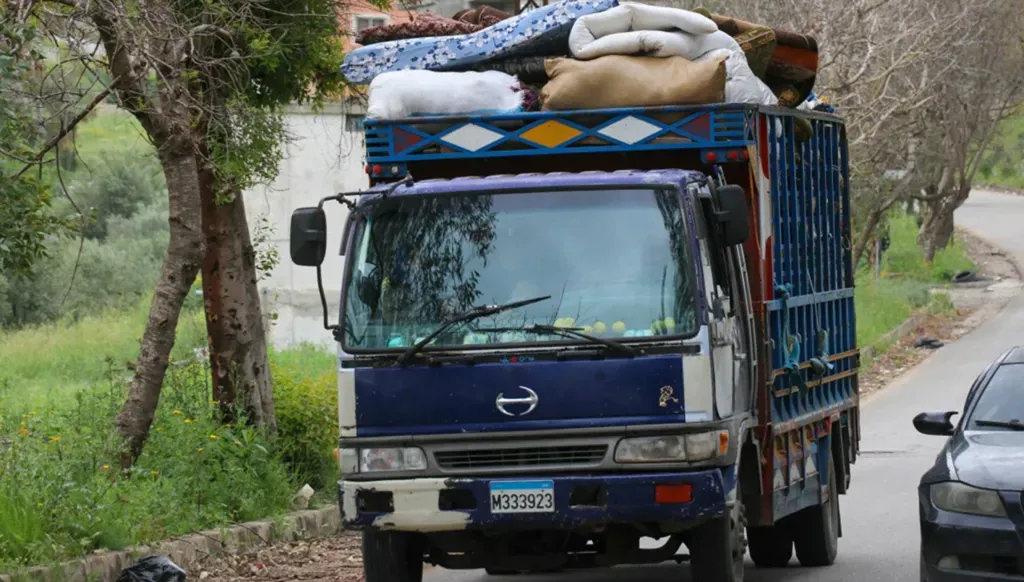
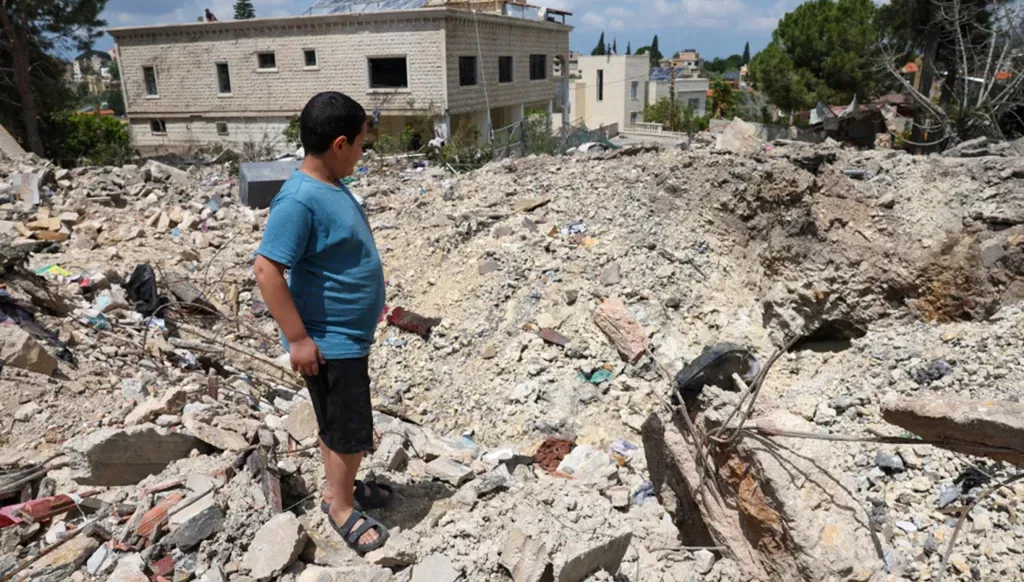


The outcome of any war cannot be reduced to rigid material numbers without taking into account the human dimensions, which come before any calculation.
Many people fled in haste, carrying a light bag, official documents, and personal photos, leaving behind homes that turned into rubble within days.
Entire villages and neighborhoods became uninhabitable, and their residents were dispersed between shelters and the homes of relatives.
But the numbers are also shocking. More than 1.1 million internally displaced people, widespread loss of income sources, disruption of education, and a major decline in access to essential services such as health care, water, and food, along with a growing need for social protection. As the crisis expanded, humanitarian funding covered only about 30 percent of the 2026 appeal by early April, which means there is a massive gap between actual needs and the response. It is estimated that at least 40,000 families have completely lost their homes, placing them in a cycle of forced displacement that may continue even after a ceasefire.
Growing numbers from one war to another
Lebanon’s losses resulting from its 2026 war with Israel were not limited to those recorded in the 2024 war, but came within a more complex regional context, which amplified its economic and humanitarian consequences.
In the 2024 war, according to United Nations reports, daily losses were estimated at around 225 million dollars, while total direct and indirect economic losses exceeded 14 billion dollars. In the first month alone, direct and indirect losses reached about 1.7 billion dollars, while the cost of damage to infrastructure and buildings amounted to around 3.4 billion dollars.

The war at that time also led to the destruction of more than 100,000 housing units, along with extensive damage to public and private facilities, in addition to a near-total paralysis of productive sectors, especially tourism, agriculture, and services. This was directly reflected in the economy, with GDP growth declining by about 6.6 percentage points and poverty rates worsening.
As for the 2026 war, indicators show that the cost is likely to be higher. The Minister of Economy, Amer Al-Bassat, estimated reconstruction costs at between 5 and 7 billion dollars as an initial phase, while broader estimates point to much higher figures.
Widespread displacement and deterioration of services
In this context, former minister Nasser Yassin notes that the cost is not measured in financial figures alone, but in direct social consequences. He says that the recent war led to widespread displacement, loss of income sources, disruption of education, reduced access to basic services such as health care, water, and food, in addition to an increased need for social protection.
According to Yassin, the number of internally displaced people is estimated at more than 1.1 million, while humanitarian response funding has not exceeded 30 percent of needs by early April 2026. He also expects that around 40,000 families may have completely lost their homes, meaning their displacement is likely to continue even after a ceasefire.
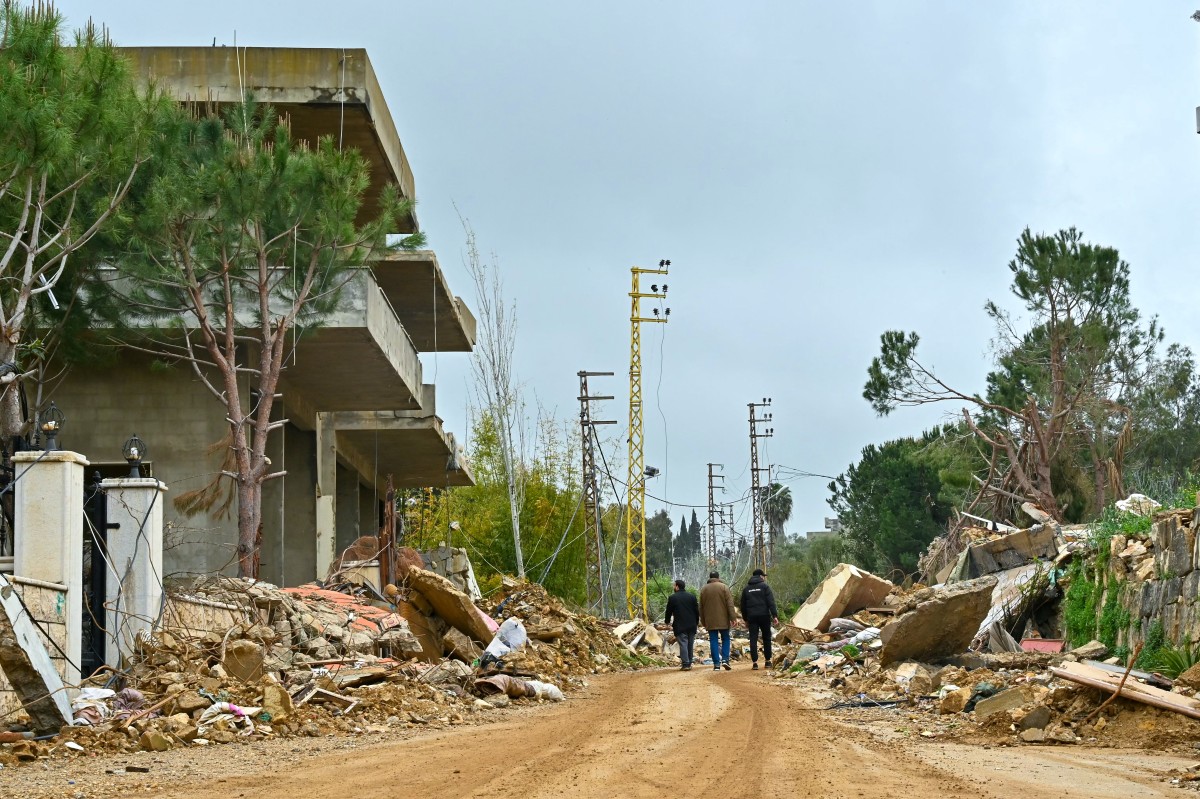
In the 2024 war, infrastructure suffered extensive damage, from roads and bridges to electricity and water networks, alongside a sharp decline in vital sectors. The tourism sector experienced an almost complete collapse, with a drop estimated at around 95%, the agricultural sector declined by about 40%, and commercial activity fell by nearly 60%.
These indicators did not improve in 2026; rather, they worsened due to the prolonged duration of the crisis and its expanding scope. According to preliminary data, the number of destroyed buildings in the latest war reached about 245 buildings as an initial phase of assessment, while entire villages in the south were heavily devastated, with estimates indicating the complete destruction of around 13,000 housing units.
From contraction to deeper collapse
In 2024, the war contributed to deepening the ongoing economic collapse that had begun in 2019, through halted investments, declining economic activity, and rising poverty rates.
In 2026, Yassin notes that indirect losses include economic contraction, decline in the tourism sector, disruption of trade, rising energy costs, and increased pressure on public finances due to falling revenues. He expects the economy to contract by more than 12 percent during the year, with a widening fiscal deficit.
If reconstruction costs after the 2024 war were estimated at around 11 billion dollars according to World Bank figures, projections related to the 2026 war appear more severe. Yassin estimates that reconstruction costs after the latest war could exceed 20 billion dollars, based on the scale and spread of the damage.