

From Hormuz to home prices: How the Iran war triggered a global energy and inflation shockwave



 Messenger
 Whatsapp
 Threads
 Email
Email
 Print
Print
 X
X
 Facebook



Today, Tuesday, April 28, marks two months since the outbreak of the Iran war. The shock is no longer confined to the Middle East. Markets are now dealing with an actual energy crisis, a maritime routes crisis, an insurance and travel crisis, and a globally accumulating inflationary pressure.
Energy markets
Two months after the Iran war, oil is no longer traded based on global demand alone but also on the barrel’s ability to exit the Gulf.
The barrel of Brent crude jumped about 49% to $108.23, and West Texas Intermediate rose about 44% to $96.37, in a market that distinguishes between the futures price and the actual barrel price.
With only 7 ships crossing the Strait of Hormuz in a single day, compared to about 140 ships before the war, and an estimated 10 to 13 million barrels per day effectively exiting the international market, the risk premium has turned into an actual supply shortage.
The Brent premium over American crude has widened, and spot crude shipments have risen to levels approaching $150 a barrel, indicating that the true cost of energy is higher than the apparent price shown on trading screens.
Natural gas
In Europe, the price of natural gas hovered near $18 per million British thermal units in late March, compared to levels that were about half that before the war, according to Reuters.
By April 27, the European index (TTF) fell to about €44.38 per megawatt-hour, equivalent to about $15 per million thermal units, but remained much higher than pre-war levels.
In Asia, spot LNG prices rose from about $10.60 to $15.11 per million British thermal units in early March, then the Asian index (JKM) exceeded $20 in later stages, with Asian buyers seeking alternatives to Qatari gas. Goldman Sachs raised its fourth-quarter forecasts for 2026 to $90 for Brent and $83 for WTI, assuming a gradual return of Hormuz exports by the end of June next.
Citibank raised its Brent forecast to $110 in the second quarter, $95 in the third, and $80 in the fourth, with a bullish scenario that could push Brent to $150 if disruption in the Strait continues until the end of June.
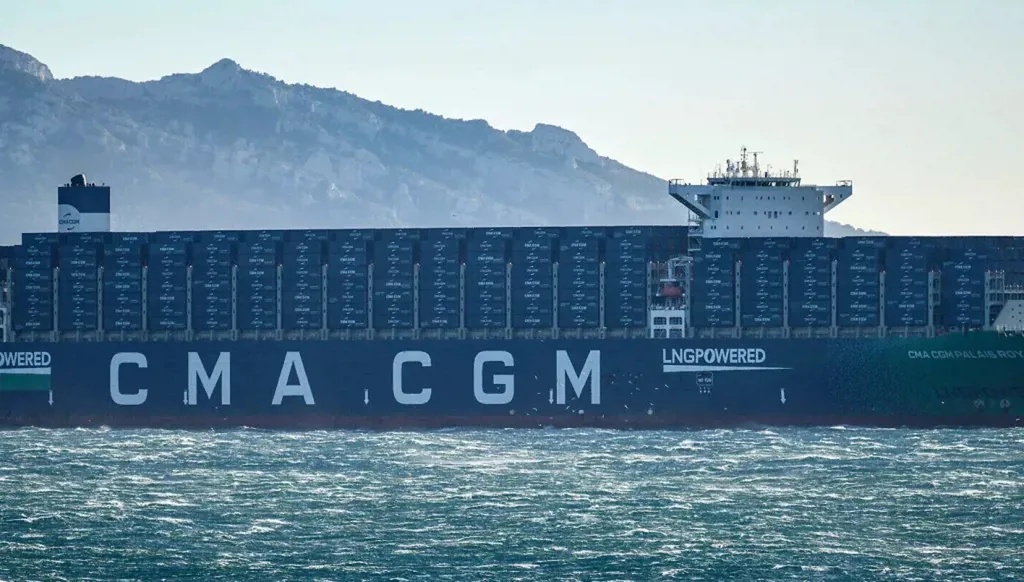
Marine insurance
The cost of insurance against war risks for crossing the Gulf rose from around 0.25% of a ship’s cargo value to as high as 3% after the escalation, meaning a tanker worth between $200 million and $300 million may pay about $7.5 million for coverage, compared to roughly $625,000 before the war.
With the crisis ongoing, recent reports indicate that war-risk premiums for the Strait of Hormuz now range between 3% and 8% of a ship’s cargo value, after reaching a peak of 10% at one point during the escalation.
Daily crossings in the Strait of Hormuz dropped from about 140 ships to just 7 a day, with an almost complete absence of export oil tankers, after U.S. forces turned back 37 ships since April 13, including 6 Iranian tankers carrying about 10.5 million barrels.
Air travel
Airline ticket prices rose because the war hit the sector on three fronts at once: more expensive fuel, longer routes, and fewer seats. Oil supply disruptions pushed up crude prices by about 50% since February 28, according to Reuters, and the cost of jet fuel on long European flights rose by about $104 per passenger and nearly €29 for intra-Europe flights.
The fuel price increase added more than $100 to some long-haul European flights, according to Transport & Environment.
Estimates show that fuel costs for a long-haul flight like Paris–New York increased by about €129 per passenger, while the increase for a short European flight like Barcelona–Berlin was about €26.
Due to the war, more than 9 countries closed their airspace—most notably Iran, Israel, Qatar, Syria, Iraq, Kuwait, Bahrain, Oman, and the UAE—meaning dozens of airports within these countries were effectively affected, even if individual airports were not announced separately.
Tourism
The tourism sector was among the most sensitive to the war. The decision to travel is quickly influenced by security risks and ticket prices. Reuters estimated the value of tourism in the Middle East at about $367 billion annually. Tourism reports also show a decline in visitors from Asia and the Middle East to Switzerland, Austria, and Britain, partly due to flight cancellations through war-affected Arab countries.
Food
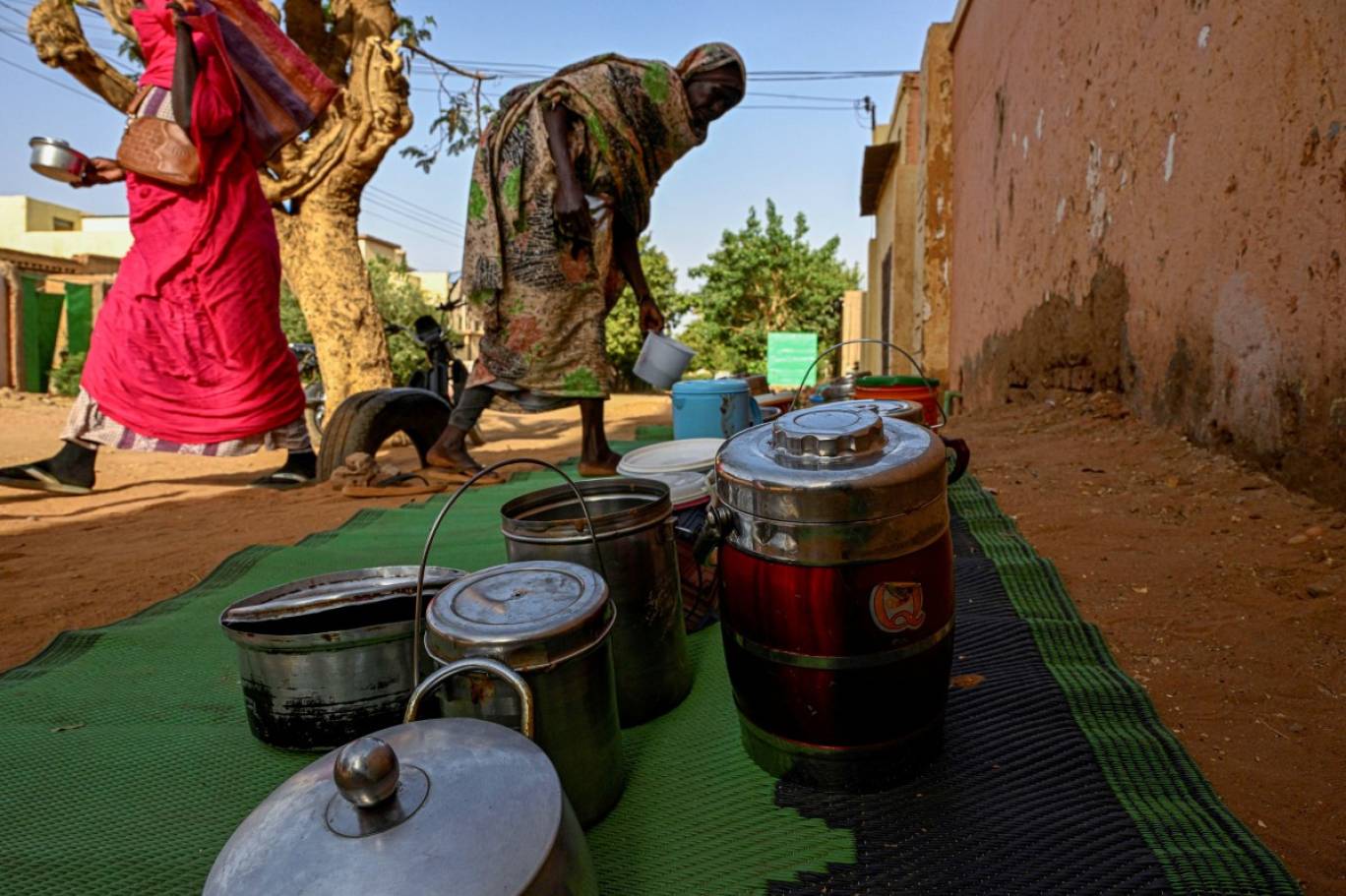
The FAO food price index rose 2.4% in March compared with February, with widespread increases across grains, oils, sugar, meat, and dairy, indicating that the war began adding a new risk premium to global food markets.
The most sensitive commodities were sugar and vegetable oils, as they are directly linked to energy prices and biofuels. The FAO sugar index rose by 7.2% in March to its highest level since November 2025, driven by expectations that Brazil, the world’s largest sugar exporter, would divert a larger share of its sugarcane to ethanol production as oil prices rise.
Vegetable oil prices rose due to the expected increase in biofuel demand and higher energy costs, confronting consumers in importing countries with a double wave of price increases—higher food costs and more expensive energy for transport and processing.
The global food organization’s grain index rose by 1.5% in March, while wheat prices increased by 4.3%, not solely due to the war, but also due to its overlap with climate concerns in the U.S. and the likelihood of reduced planting areas in Australia because of rising fertilizer costs.
Fertilizer prices also rose sharply between February and March 2026, with urea prices jumping about 46% month-on-month, particularly since more than 30% of global fertilizer trade passes through the Strait of Hormuz, according to World Bank data in its food security update.
In Europe, urea prices have risen by 55% since the beginning of the war, yet European farmers did not face an immediate shortage due to early purchasing ahead of the planting season.